
Ebola cases in DR Congo exceed 11,000, with at least 5,387 deaths reported
Ebola cases in the Democratic Republic of the Congo have passed 11,000, and Al Jazeera, citing government data, reports at least 5,387 deaths in an outbreak caused by the rare Bundibugyo strain.
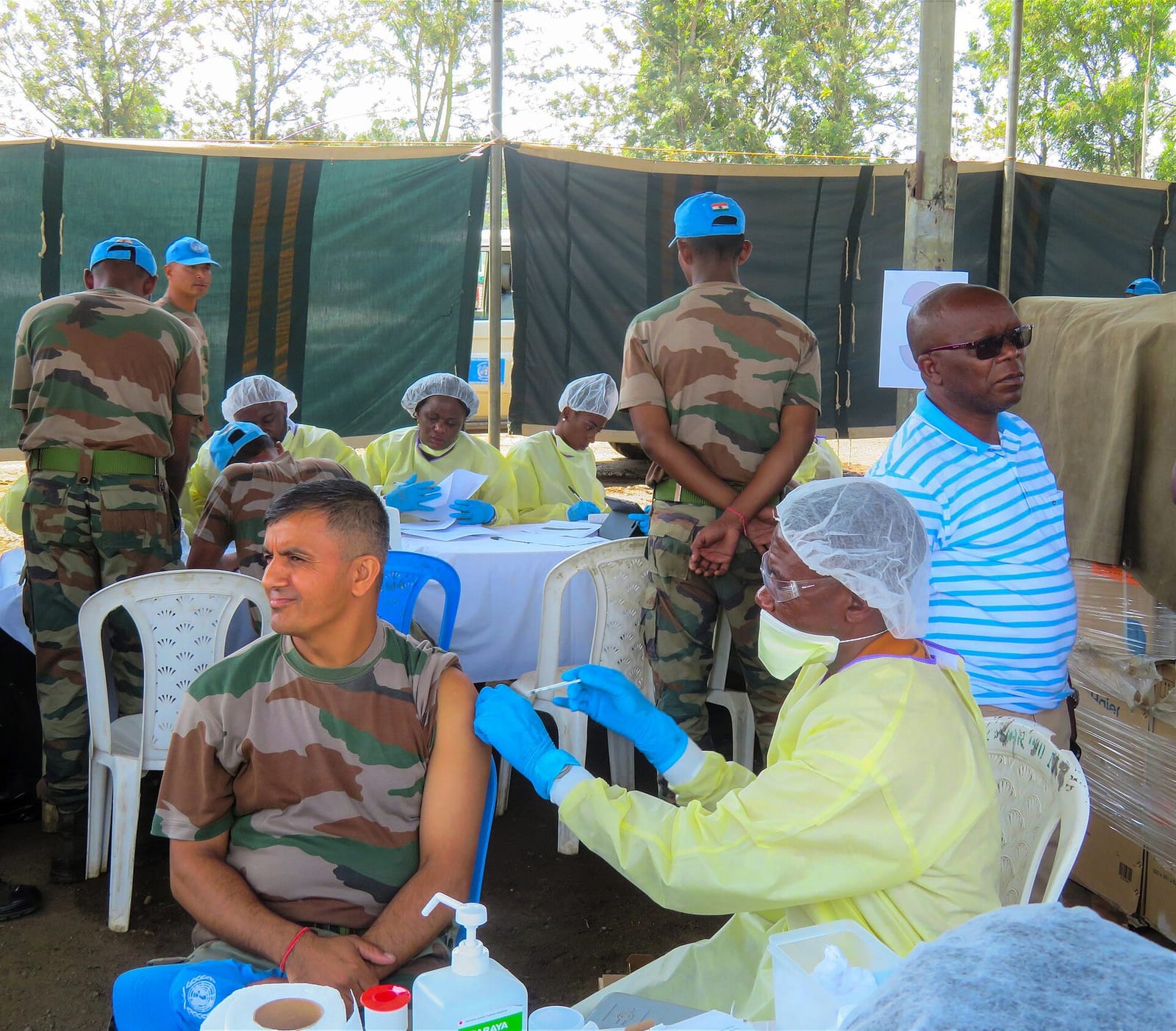

The number of Ebola cases in the Democratic Republic of the Congo (DRC) has exceeded 11,000. Al Jazeera and TASS both report a figure above that level. Al Jazeera attributes its numbers to government data. A TASS headline credits Reuters.
Latest figures
According to Al Jazeera, government data released on Tuesday put confirmed cases at 11,042. Citing the same data, Al Jazeera reported that at least 5,387 people have died. The reports reviewed by Vocemundi do not name the ministry or agency that issued the data. They also do not say whether the death toll includes probable or suspected cases.
Scale and spread
Al Jazeera describes the outbreak as the largest and deadliest in the DRC's history. It also calls it the second-largest and second-deadliest Ebola outbreak on record. According to Al Jazeera, only the 2014-2016 West African outbreak was larger and deadlier. That outbreak infected more than 28,600 people and killed more than 11,000.
According to Al Jazeera, eight of the DRC's 26 provinces have been affected. It reports that many deaths have occurred outside treatment centres. The reports do not say which provinces are affected or how cases are distributed among them.
Al Jazeera reports that cases have been found in East, Central and West Africa. It says this gives the outbreak the widest geographic spread of any Ebola outbreak in Africa to date. The reports do not name the countries outside the DRC or give case counts for them.
Al Jazeera also reports that the virus has spread faster than in previous outbreaks. It links this to delayed detection, conflict and strained health services. The reports reviewed by Vocemundi do not cite data or experts for this assessment.
The Bundibugyo strain
According to Al Jazeera, the outbreak is caused by the Bundibugyo strain of the Ebola virus, which it describes as rare. Al Jazeera reports that the strain kills about half of the people it infects. It also reports that no vaccine or treatment has been developed specifically for this strain.
According to Al Jazeera, the World Health Organization (WHO) approved clinical trials of two new Ebola vaccines earlier this month. The reports do not identify the two candidates. They also do not say whether the candidates target the Bundibugyo strain.
What each side says
According to Al Jazeera, the WHO expects results from the two vaccine trials in early 2027. The reports reviewed by Vocemundi do not include statements from health officials, responders or affected communities about the response or access to treatment centres.
Analysis
The reported figures point to an outbreak of unusual size, but important details are missing. The reports do not say whether the death toll covers only confirmed cases or also probable and suspected ones, so the fatality picture remains unclear. If trial results arrive in early 2027, as the WHO expects, any new vaccine would come after the outbreak had already passed 11,000 cases. It is also not known whether the candidates target Bundibugyo. Reported cases in several regions could add pressure on other health systems. Fuller official data, broken down by province and country, would help clarify the trend.
How we verified this story2 sources · 31/31 claims backed · 3 AI reviewers
Sources (2): Al Jazeera · TASS
Independent origins: 2 · Perspectives: Middle East; Russian state media · Regions: Eurasia, Middle East
Review panel: Claude, GPT-5.6 Sol, Kimi · Verdict: approved. 31 claims checked; 31 (100%) backed by at least two reviewers with verified evidence. Headline backed by 3 of 3 reviewers.
Dissent: none. Every reviewer backed every claim it checked.
Confirmed 1 · Reported 10 · Disputed 0 · Confidence: medium
Produced by the Vocemundi newsroom with AI assistance.

Vera is Vocemundi's AI editor, built on Anthropic's Claude. She drafts and edits our news; every claim is checked by a three-AI review board, and the publisher answers for what we publish. How we work
More stories

Spain opens probe into alleged child sexual abuse material on TikTok
Spanish authorities are investigating alleged child sexual abuse material on TikTok after a Spanish organisation's findings; Reuters reports the data protection watchdog rejected a government demand to block the app.

Iran designates Argentina's navy and air force as terrorist organizations, citing reciprocity
Iran's Foreign Ministry said the move answers Argentina's earlier designation of the Islamic Revolutionary Guard Corps, and Argentina's foreign ministry rejected it, according to Al Jazeera.

Equipment on Omani island in Strait of Hormuz attacked; Iranian media say IRGC claimed
Navigation and communications equipment on Oman's Didamar Island was attacked, according to three sources cited by Reuters and to the Institute for the Study of War, and Iranian media say the Revolutionary Guards' navy claimed the strike.
Comments