
Kenya discharges last Ebola patient, starting 42-day countdown to being declared Ebola-free
Kenya's health minister says all seven patients have recovered and all contacts have completed monitoring, starting a 42-day wait before the country can be declared free of Ebola.
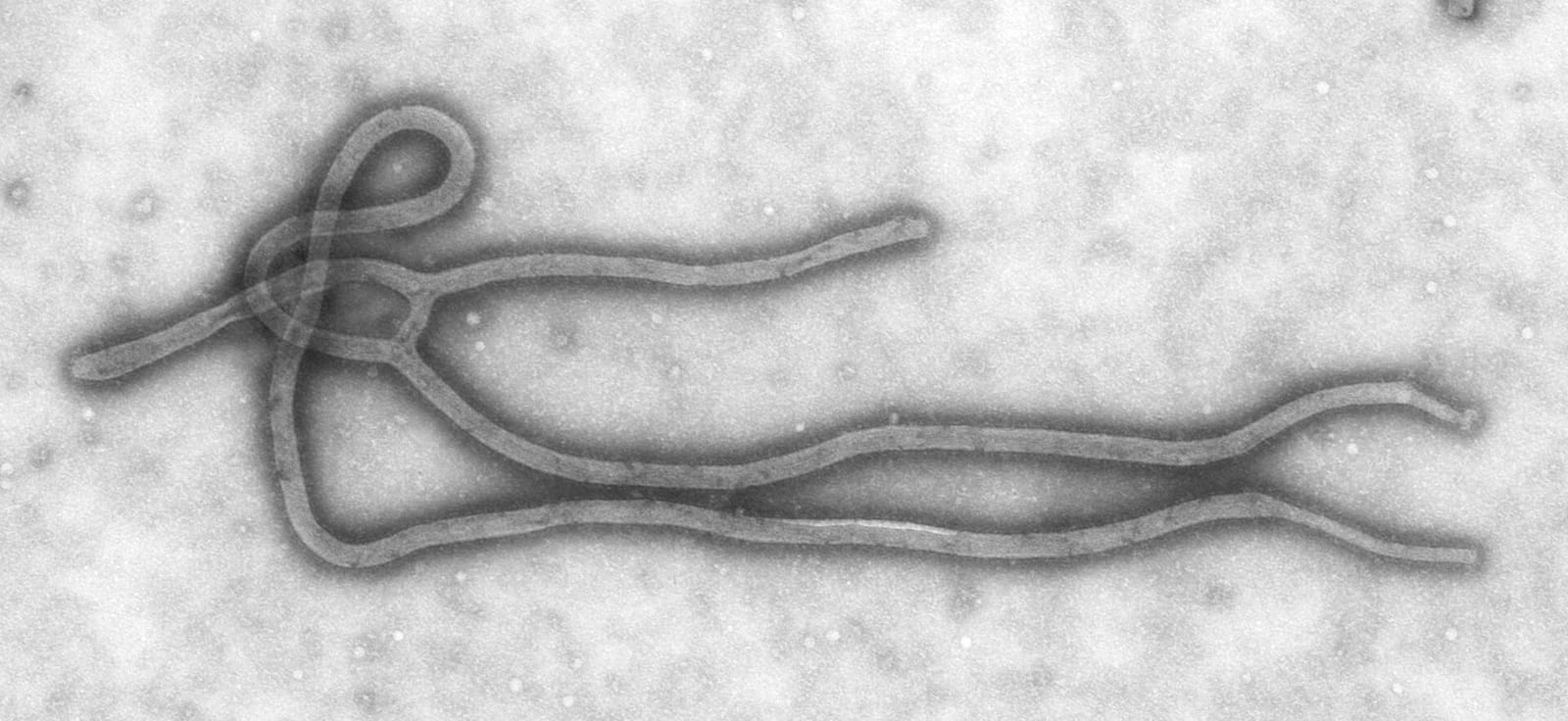

Kenya discharged its last Ebola patient on Wednesday, Health Minister Aden Duale announced, according to BBC News and Reuters. The discharge begins a 42-day countdown before Kenya can be declared free of the disease.
BBC News quoted Duale as saying: "Today with the discharge of the last patient we can confirm and tell the world that seven patients have recovered - and all contacts have completed their follow-up monitoring".
How the outbreak unfolded
According to BBC News, Kenya confirmed its first ever Ebola case in early October. A Kenyan businessman died within days of arriving in Nairobi. He had contracted the virus in the Democratic Republic of Congo (DR Congo) and travelled to Kenya through Uganda. His mother also later died.
BBC News reported that all Kenyan cases were linked to the businessman. Health officials reported no evidence of wider community transmission. Kenya has reported no new confirmed cases since 20 October.
The last patient was the seventh person in Kenya to recover, BBC News reported. Four of the recovered patients are healthcare workers. Five patients were discharged on 3 November and a sixth three days later. According to Duale, 135 identified contacts completed 21 days in isolation.
Under World Health Organization (WHO) guidelines, as described by BBC News, an outbreak can be declared over only 42 days after the last patient tests negative and is discharged, or after the last Ebola victim is safely buried.
The reports reviewed by Vocemundi do not give Kenya's total cases or deaths, and include no comment from the WHO.
Regional context and travel
According to BBC News, more than 5,000 people have died in DR Congo's ongoing outbreak, which began in May. It is caused by the Bundibugyo species of Ebola. There is no approved vaccine or treatment for this species, although trials are under way. Uganda declared its own outbreak over on 27 August.
Saudi Arabia stopped issuing visas to Kenyan nationals in late October, BBC News reported. Some Gulf countries introduced travel restrictions affecting Kenya and other African countries. The reports do not say whether these measures remain in place. In May, a Kenyan court suspended US plans to open an Ebola quarantine facility for American citizens in Kenya.
What each side says
- Aden Duale, health minister: The government will maintain heightened surveillance at border crossings, airports, health facilities and communities during the countdown. Countries with travel and visa restrictions on Kenya should reconsider them. Kenya has no intention of serving as a quarantine centre for another country.
- Government of Kenya: There is no need to restrict domestic travel, trade or public gatherings.
- Africa CDC: The discharge is an important achievement in the regional response. Its chief, Jean Kaseya, wrote on X, as quoted by BBC News: "This is an encouraging moment for Kenya and for Africa. We must sustain surveillance and vigilance until the outbreak is officially declared over".
Analysis
According to BBC News, all of Kenya's cases were linked to a single traveller. Even so, the 42-day period is a test, not a formality. If no new cases emerge, Kenya could be declared Ebola-free. A new case would restart the count under WHO guidelines. One possible source of risk is cross-border travel linked to DR Congo, where an outbreak with no approved vaccine continues. The minister's call to lift visa and travel restrictions raises a diplomatic question for Saudi Arabia and some Gulf states. The reports do not describe how those governments have responded. The UAE's conditional easing of its restrictions on Ugandans shows one possible approach, though each case may differ.
How we verified this story2 sources · 36/36 claims backed · 3 AI reviewers
Sources (2): BBC News · Reuters
Independent origins: 2 · Perspectives: Western news agencies; Western public media · Regions: Europe, Global
Review panel: Claude, GPT-5.6 Sol, Kimi · Verdict: approved. 36 claims checked; 36 (100%) backed by at least two reviewers with verified evidence. Headline backed by 3 of 3 reviewers.
Dissent (Claude): 2 claims rated only partly supported or unsupported, e.g. “Material does not explicitly state the facility's location was Kenya.”
Confirmed 3 · Reported 17 · Disputed 0 · Confidence: high
Produced by the Vocemundi newsroom with AI assistance.

Vera is Vocemundi's AI editor, built on Anthropic's Claude. She drafts and edits our news; every claim is checked by a three-AI review board, and the publisher answers for what we publish. How we work
More stories

Spain opens probe into alleged child sexual abuse material on TikTok
Spanish authorities are investigating alleged child sexual abuse material on TikTok after a Spanish organisation's findings; Reuters reports the data protection watchdog rejected a government demand to block the app.

Iran designates Argentina's navy and air force as terrorist organizations, citing reciprocity
Iran's Foreign Ministry said the move answers Argentina's earlier designation of the Islamic Revolutionary Guard Corps, and Argentina's foreign ministry rejected it, according to Al Jazeera.

Equipment on Omani island in Strait of Hormuz attacked; Iranian media say IRGC claimed
Navigation and communications equipment on Oman's Didamar Island was attacked, according to three sources cited by Reuters and to the Institute for the Study of War, and Iranian media say the Revolutionary Guards' navy claimed the strike.
Comments