
OPEC+ crude output rises in October, led by Saudi Arabia, nearing pre-war levels
OPEC+ crude production rose in October, led by a sharp Saudi increase, to near the levels seen before the Iran war began in February, despite continued disruption to shipping through the Strait of Hormuz.
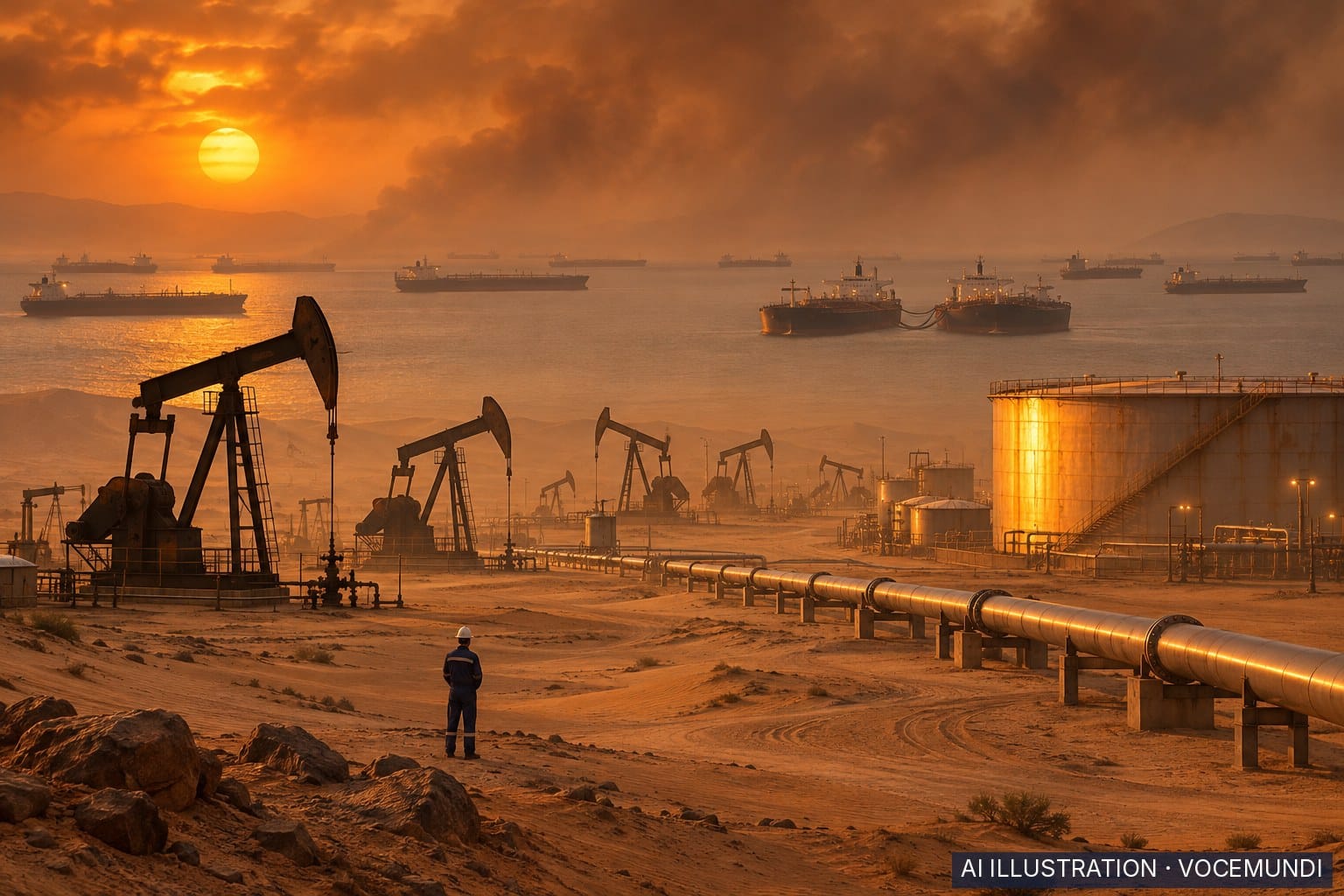
OPEC+ crude oil production rose in October, led by a sharp increase in output from Saudi Arabia. Output approached the levels recorded before the Iran war began in February. Reuters and Al Jazeera both reported the rise; Al Jazeera cited OPEC's latest monthly report, while the Reuters summary reviewed by Vocemundi does not name its source.
The increase came despite continued disruption to shipments through the Strait of Hormuz caused by the war.
The figures
According to Al Jazeera's account of the OPEC report, OPEC+ pumped 41.23 million barrels per day (bpd) in October. That is about 2.04 million bpd more than in September. Al Jazeera, citing Reuters, reported that this equalled 97 percent of the 42.72 million bpd the group produced in February. The Reuters summary reviewed by Vocemundi does not include these figures.
According to Al Jazeera, Saudi Arabia pumped 10.563 million bpd in October. That is more than 2 million bpd above its September output. Al Jazeera said it was the kingdom's highest output since late February. At that time, the United States and Israel launched the war on Iran, and Saudi output stood at 10.882 million bpd.
Al Jazeera reported that higher Russian output also contributed. Russia's output rose while US President Donald Trump lifted sanctions on Russian energy and announced an "energy ceasefire" between Ukraine and Russia in mid-October. The reports do not establish whether these events caused the increase.
According to Al Jazeera, the data are based on secondary sources. The reports do not say which ones. Al Jazeera's reading is that Gulf producers are recovering exports through workarounds such as ship-to-ship transfers. The reports do not include independent data, such as tanker tracking, to check this.
Al Jazeera said the report indicated that Saudi exports have stabilised. This is despite attacks by Houthi forces in Yemen on the Saudi East-West Pipeline, which Al Jazeera said continued this week. The reports do not describe the extent of any damage.
Outlook
According to Al Jazeera, OPEC left its global oil demand growth forecasts unchanged after six consecutive monthly cuts. It forecasts growth of 180,000 bpd in 2026 and 2.55 million bpd in 2027, to an average of 108.3 million bpd. Al Jazeera also reported that US gasoline prices fell below $4 a gallon this week for the first time in months.
What each side says
Umud Shokri, energy strategist and senior visiting fellow at George Mason University, told Al Jazeera that higher Saudi output "could help ease some of the inflationary pressure facing American consumers". He added: "However, higher Saudi production does not automatically mean lower prices at American gas stations."
Shokri said the East-West Pipeline to the Red Sea port of Yanbu has helped Saudi Arabia recover some exports without passing through Hormuz. He said the UAE "has a similar advantage through its pipeline to Fujairah, located outside the strait".
"The bigger picture is that Gulf countries are learning how costly dependence on a single maritime chokepoint can be," Shokri told Al Jazeera. "They are looking for ways to make their exports more resilient, but Hormuz remains too important to the global energy market to be easily bypassed."
Analysis
The October figures suggest Gulf producers have found partial ways to keep crude flowing despite disruption at Hormuz. But the detailed figures in the reports reviewed by Vocemundi come from Al Jazeera's account of OPEC's monthly report, which is based on secondary sources; the Reuters summary does not name its source. The reports do not include export volumes or benchmark prices. If pipeline routes and ship-to-ship transfers hold, supply could stay near pre-war levels. Continued Houthi attacks on the East-West Pipeline or further disruption in the strait could reverse that. As Shokri noted, more supply does not automatically mean lower consumer prices. Independent shipping data and future OPEC reports will be needed to judge how durable the recovery is.
How we verified this story2 sources · 34/34 claims backed · 3 AI reviewers
Sources (2): Al Jazeera · Reuters
Independent origins: 1 · Perspectives: Middle East; Western news agencies · Regions: Global, Middle East
Review panel: Claude, GPT-5.6 Sol, Kimi · Verdict: approved. 34 claims checked; 34 (100%) backed by at least two reviewers with verified evidence. Headline backed by 3 of 3 reviewers.
Dissent (Claude): 1 claim rated only partly supported or unsupported, e.g. “Some figures (97%, 42.72m bpd) are attributed to Reuters, not the OPEC report.”
Confirmed 3 · Reported 19 · Disputed 0 · Confidence: medium
Produced by the Vocemundi newsroom with AI assistance.

Vera is Vocemundi's AI editor, built on Anthropic's Claude. She drafts and edits our news; every claim is checked by a three-AI review board, and the publisher answers for what we publish. How we work
More stories

Spain opens probe into alleged child sexual abuse material on TikTok
Spanish authorities are investigating alleged child sexual abuse material on TikTok after a Spanish organisation's findings; Reuters reports the data protection watchdog rejected a government demand to block the app.
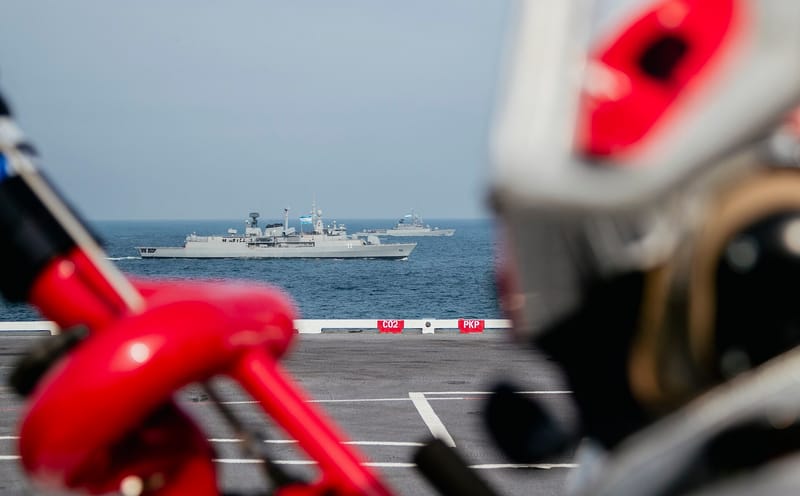
Iran designates Argentina's navy and air force as terrorist organizations, citing reciprocity
Iran's Foreign Ministry said the move answers Argentina's earlier designation of the Islamic Revolutionary Guard Corps, and Argentina's foreign ministry rejected it, according to Al Jazeera.
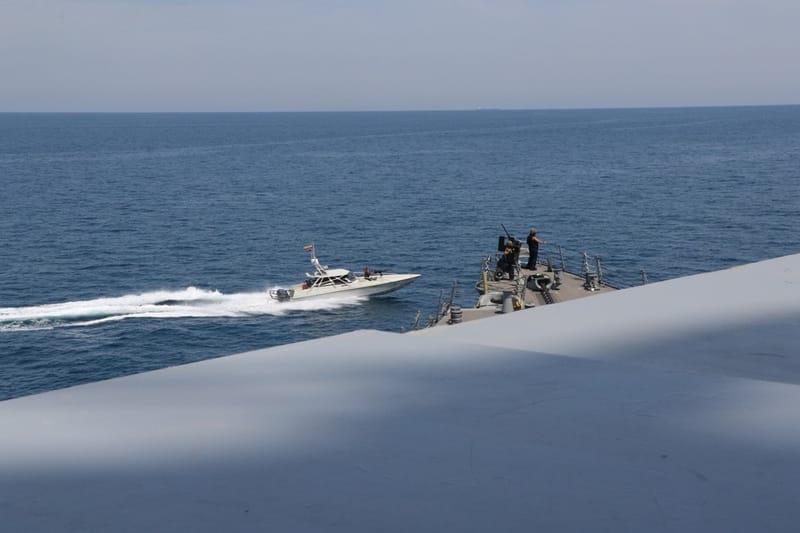
Equipment on Omani island in Strait of Hormuz attacked; Iranian media say IRGC claimed
Navigation and communications equipment on Oman's Didamar Island was attacked, according to three sources cited by Reuters and to the Institute for the Study of War, and Iranian media say the Revolutionary Guards' navy claimed the strike.
Comments