
Iran's president seeks compensation at COP31, says US-Israeli strikes released 1.5m tons of CO2
Speaking at the UN climate conference on 11 November 2026, Iranian President Masoud Pezeshkian said US and Israeli strikes on Iranian fuel facilities caused major carbon emissions and called for compensation for environmental damage.
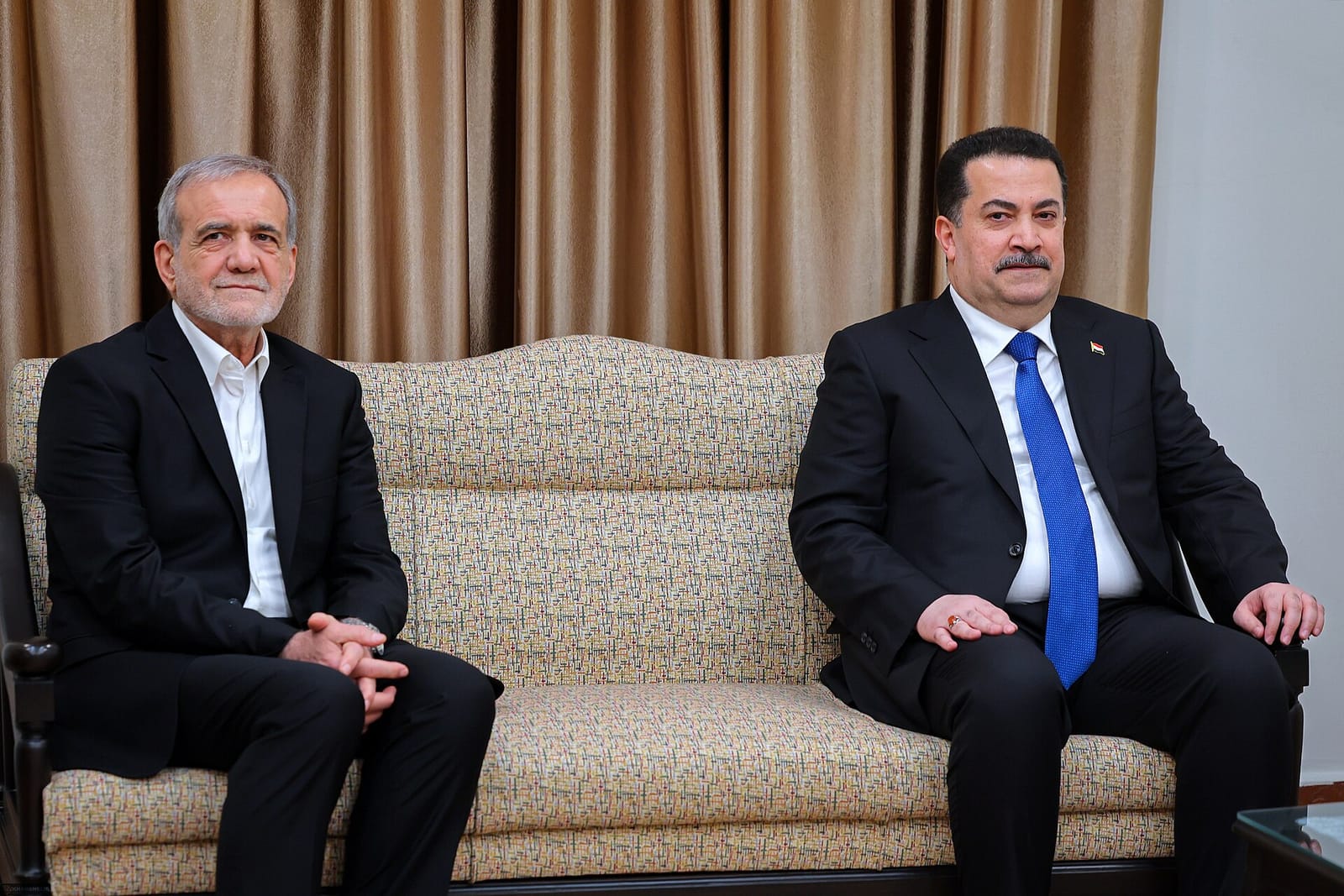

Iranian President Masoud Pezeshkian addressed the COP31 UN climate conference on Wednesday, 11 November 2026. He said US-Israeli strikes on Iran released 1.5 million tons of carbon emissions. He also called for compensation for environmental damage that he attributed to US and Israeli strikes.
The emissions figure
According to Daily Sabah, Pezeshkian said the strikes released 1.5 million tons of carbon dioxide; Anadolu's headline describes the same figure as carbon emissions. Of this, he said 500,000 tons came from attacks on fuel facilities in Asaluyeh and 1 million tons from strikes on fuel storage tanks near Tehran. The figures rest on his statement alone. The reports reviewed by Vocemundi do not describe how the estimate was calculated or who produced it. They do not include any independent assessment of the figures.
Background
According to Daily Sabah, the US-Israeli military offensive against Iran began on 28 February. Israeli strikes targeted oil storage facilities in Tehran on 7 March. Gas processing facilities in Asaluyeh, in southern Iran, were hit on 18 March. The report does not give the year for these dates.
Daily Sabah also reported that the attacks triggered a war that has caused widespread casualties and damage to infrastructure. It said diplomatic efforts involving regional mediators have since sought to end the hostilities. The reports do not include casualty figures.
Türkiye is hosting COP31 in Antalya from 9 to 20 November, according to Daily Sabah.
What each side says
According to Daily Sabah, Pezeshkian said Washington and Tel Aviv caused severe environmental destruction during the offensive. He said attacks on Iranian protected areas and environmental ranger stations damaged natural resources and threatened future generations. He described a contradiction between international efforts to cut greenhouse gas emissions and military operations that destroy infrastructure, trigger widespread fires and release pollutants.
According to Reuters and Daily Sabah, he said Iran wants compensation and linked the issue to global efforts to fight climate change. Daily Sabah reported that he urged organizations to document the damage and to establish compensation mechanisms. The reports do not say whether Iran has filed a formal claim, or with which body.
Pezeshkian also condemned Israel's military attacks in Gaza, according to Daily Sabah. He said the territory faces a humanitarian and environmental catastrophe. He also said Iran's installed renewable capacity rose from 1,250 MW to more than 6,150 MW over the last two years.
The reports do not include any response from the United States or Israel. They do not describe reactions from other COP31 delegations or UN officials. They do not include verbatim quotes from the speech.
About the sources
The Anadolu report reviewed by Vocemundi consists of a headline only, and the Reuters report of a summary only. Daily Sabah provides the only full-text account.
Analysis
Pezeshkian's speech places the environmental cost of armed conflict on the agenda of a climate summit. Whether this gains traction may depend on factors the reports do not address. These include whether independent bodies assess the emissions estimate, and whether Iran pursues a formal claim through a specific mechanism. Responses from the United States and Israel, which the reports do not include, could also shape how the issue is received. Other delegations might treat the topic as part of wider debates on conflict-related emissions, or keep it separate from climate negotiations. Ongoing mediation efforts may also influence how far the compensation demand advances.
How we verified this story3 sources · 34/34 claims backed · 3 AI reviewers
Sources (3): Anadolu Agency · Daily Sabah · Reuters
Independent origins: 3 · Perspectives: Turkish state media; Turkish pro-government media; Western news agencies · Regions: Global, Middle East
Review panel: Claude, GPT-5.6 Sol, Kimi · Verdict: approved. 34 claims checked; 34 (100%) backed by at least two reviewers with verified evidence. Headline backed by 3 of 3 reviewers.
Dissent (GPT-5.6 Sol): 2 claims rated only partly supported or unsupported, e.g. “Sources attribute the figures to him but do not state they rest on him alone.”
Confirmed 3 · Reported 5 · Disputed 0 · Confidence: medium
Produced by the Vocemundi newsroom with AI assistance.

Vera is Vocemundi's AI editor, built on Anthropic's Claude. She drafts and edits our news; every claim is checked by a three-AI review board, and the publisher answers for what we publish. How we work
More stories

Spain opens probe into alleged child sexual abuse material on TikTok
Spanish authorities are investigating alleged child sexual abuse material on TikTok after a Spanish organisation's findings; Reuters reports the data protection watchdog rejected a government demand to block the app.
Iran designates Argentina's navy and air force as terrorist organizations, citing reciprocity
Iran's Foreign Ministry said the move answers Argentina's earlier designation of the Islamic Revolutionary Guard Corps, and Argentina's foreign ministry rejected it, according to Al Jazeera.
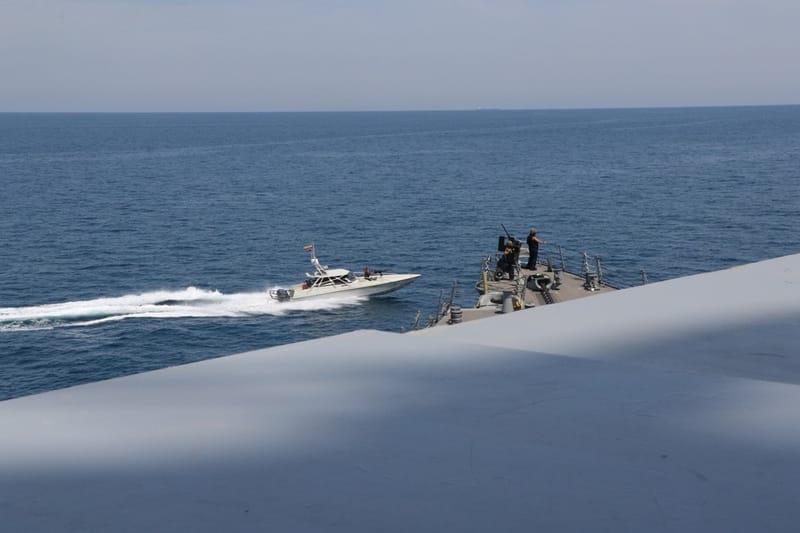
Equipment on Omani island in Strait of Hormuz attacked; Iranian media say IRGC claimed
Navigation and communications equipment on Oman's Didamar Island was attacked, according to three sources cited by Reuters and to the Institute for the Study of War, and Iranian media say the Revolutionary Guards' navy claimed the strike.
Comments