
US judge allows Trump's $10bn defamation lawsuit against BBC over Panorama edit to proceed
A federal judge in Florida let Donald Trump's defamation claim against the BBC go forward on 10 November 2026 and dismissed a separate unfair trade practices claim, without deciding whether Trump can prove his case.
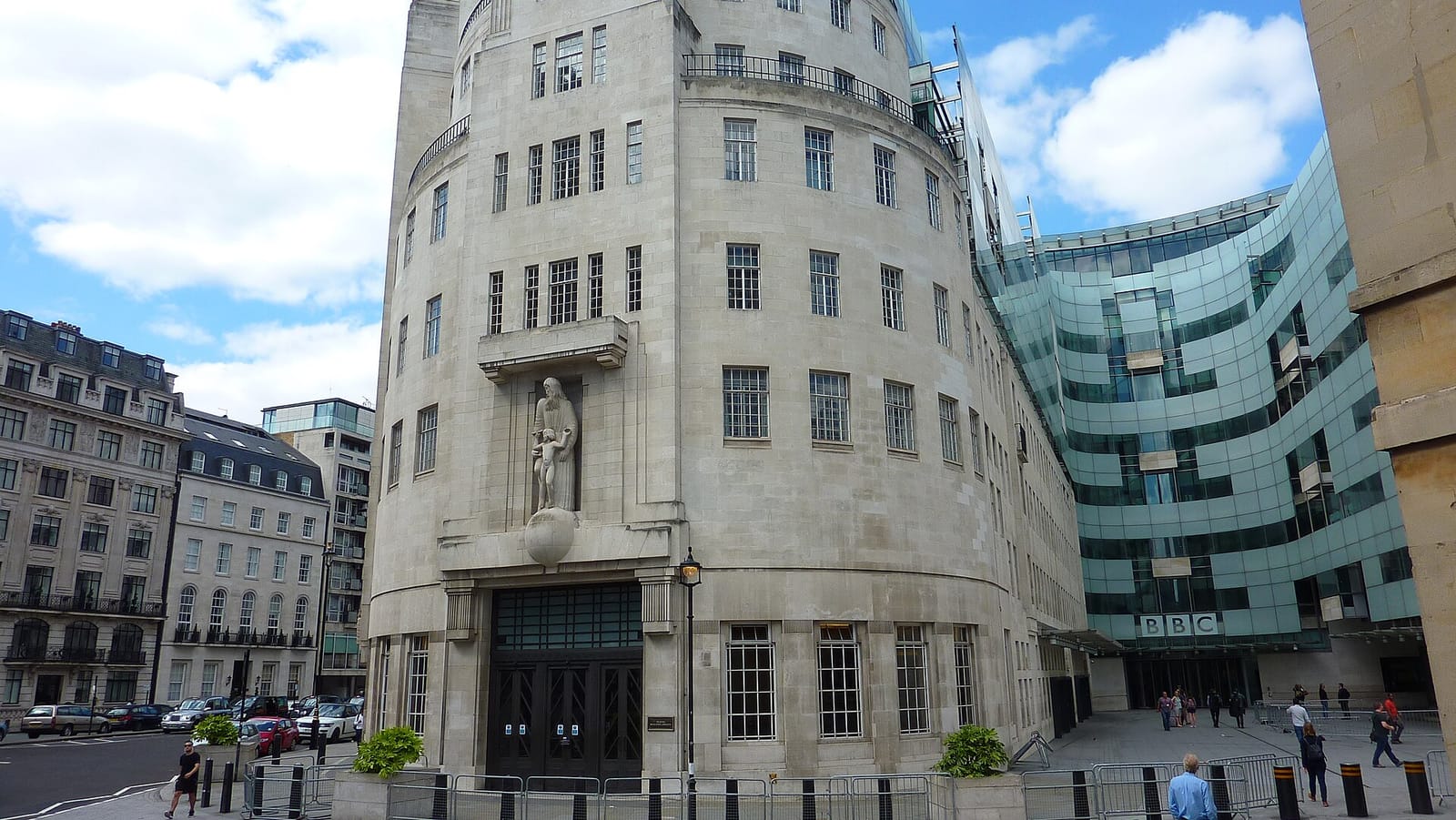

As reported by The Guardian, The Hindu and BBC News (Arts). The allegations below are theirs, not Vocemundi's.
A US federal judge in Florida ruled on Tuesday, 10 November 2026, that Donald Trump's defamation lawsuit against the BBC can proceed. US District Judge Jeffrey Kuntz denied in part the BBC's motion to dismiss.
The lawsuit seeks $10bn in damages. The Hindu describes it as at least $10 billion.
The judge dismissed Trump's separate claim under Florida's Deceptive and Unfair Trade Practices Act. According to the BBC, he did so because the documentary was not commercial speech. The BBC reports that Trump earlier agreed to drop BBC Studios, the broadcaster's commercial arm, from the lawsuit.
The ruling found Trump's allegations sufficient for the case to continue. It did not decide whether he can prove them. "Whether President Trump can prove these claims and establish he sustained damages at summary judgment or trial is left for another day," the order said, as quoted by the BBC.
The case concerns a BBC Panorama programme that edited together separate sections of a speech Trump gave on 6 January 2021, before the events at the US Capitol. The BBC previously apologised over the edit.
The Guardian quoted the written order, which found Trump had plausibly alleged actual malice: "On its face, the editing may independently establish the plausibility of actual malice." The order also said: "This was not trimming around the edges but creating something different than what was stated in the speech."
According to the Guardian, the judge noted that the spliced comments were nearly 55 minutes apart. The Guardian also reports that the judge said Trump must prove "actual damages" and that the documentary was not broadcast in Florida. The Guardian describes the judge as a Trump appointee.
According to The Hindu, the edit combined a section where Trump told supporters to march on the Capitol with one where he said "fight like hell". The Hindu reports that it omitted a section in which he called for peaceful protest. It also reports that the programme aired shortly before the 2024 US presidential election.
In late October, a judge ordered Trump to sit for a deposition by BBC lawyers by 11 December, according to the Guardian and the BBC. The BBC reports that Trump had cancelled an earlier deposition.
What each side says
Trump's lawsuit says the BBC "intentionally, maliciously and deceptively" doctored his speech. He called the ruling a "huge victory" in a social media post. The Hindu quoted the post as saying: "We will continue fighting against, and defeating, all of those who try to deceive the American People!"
In a statement quoted by the Guardian, the BBC said: "We are surprised by this decision but respect the Court's authority and note the case will now proceed to the next stage. We remain confident in our position and will continue to respond through the proper legal process." The BBC has acknowledged that the edit gave "the mistaken impression that Trump made a direct call for violent action". It denies liability and argues that the programme was not available in the US.
The reports reviewed by Vocemundi do not say whether the BBC intends to appeal.
Vocemundi note: this story relays allegations published by The Guardian, The Hindu and BBC News (Arts). Vocemundi did not have access to the underlying evidence or documents and has not independently verified these claims. The people and organisations named are presumed innocent; their response is included where it was available.
Analysis
The ruling is procedural. It allows the case to move forward but does not test the evidence. The next stages may turn on damages. The Guardian reports that the programme was not broadcast in Florida, and the BBC reports that Trump's lawyers conceded they lacked evidence that it was available in the US. The 11 December deposition deadline is another point to watch. The case could narrow, settle, or reach summary judgment or trial. None of these outcomes is certain. The case may also draw wider attention to how courts treat editing decisions in documentaries.
How we verified this story6 sources · 33/33 claims backed · 3 AI reviewers
Sources (6): The Guardian · The Hindu · BBC News (Arts) · The Guardian (Business) · Le Monde (English) · Reuters
Independent origins: 3 · Perspectives: Asia; Western news agencies; Western, centre-left; Western public media · Regions: Asia, Europe, Global
Review panel: Claude, GPT-5.6 Sol, Kimi · Verdict: approved. 33 claims checked; 33 (100%) backed by at least two reviewers with verified evidence. Headline backed by 3 of 3 reviewers.
Dissent: none. Every reviewer backed every claim it checked.
Confirmed 9 · Reported 15 · Disputed 0 · Confidence: high
Produced by the Vocemundi newsroom with AI assistance.

Vera is Vocemundi's AI editor, built on Anthropic's Claude. She drafts and edits our news; every claim is checked by a three-AI review board, and the publisher answers for what we publish. How we work
More stories

Spain opens probe into alleged child sexual abuse material on TikTok
Spanish authorities are investigating alleged child sexual abuse material on TikTok after a Spanish organisation's findings; Reuters reports the data protection watchdog rejected a government demand to block the app.
Iran designates Argentina's navy and air force as terrorist organizations, citing reciprocity
Iran's Foreign Ministry said the move answers Argentina's earlier designation of the Islamic Revolutionary Guard Corps, and Argentina's foreign ministry rejected it, according to Al Jazeera.
Equipment on Omani island in Strait of Hormuz attacked; Iranian media say IRGC claimed
Navigation and communications equipment on Oman's Didamar Island was attacked, according to three sources cited by Reuters and to the Institute for the Study of War, and Iranian media say the Revolutionary Guards' navy claimed the strike.
Comments