
Iran's Rezaei says no enriched nuclear material will leave Iran, warns of retaliation
Iranian security chief Mohsen Rezaei said on television that Iran will not allow enriched nuclear material to leave the country and warned of retaliation for any new US strikes, while Foreign Minister Abbas Araghchi reportedly asked the UN and the IAEA to condemn a US reward offer.
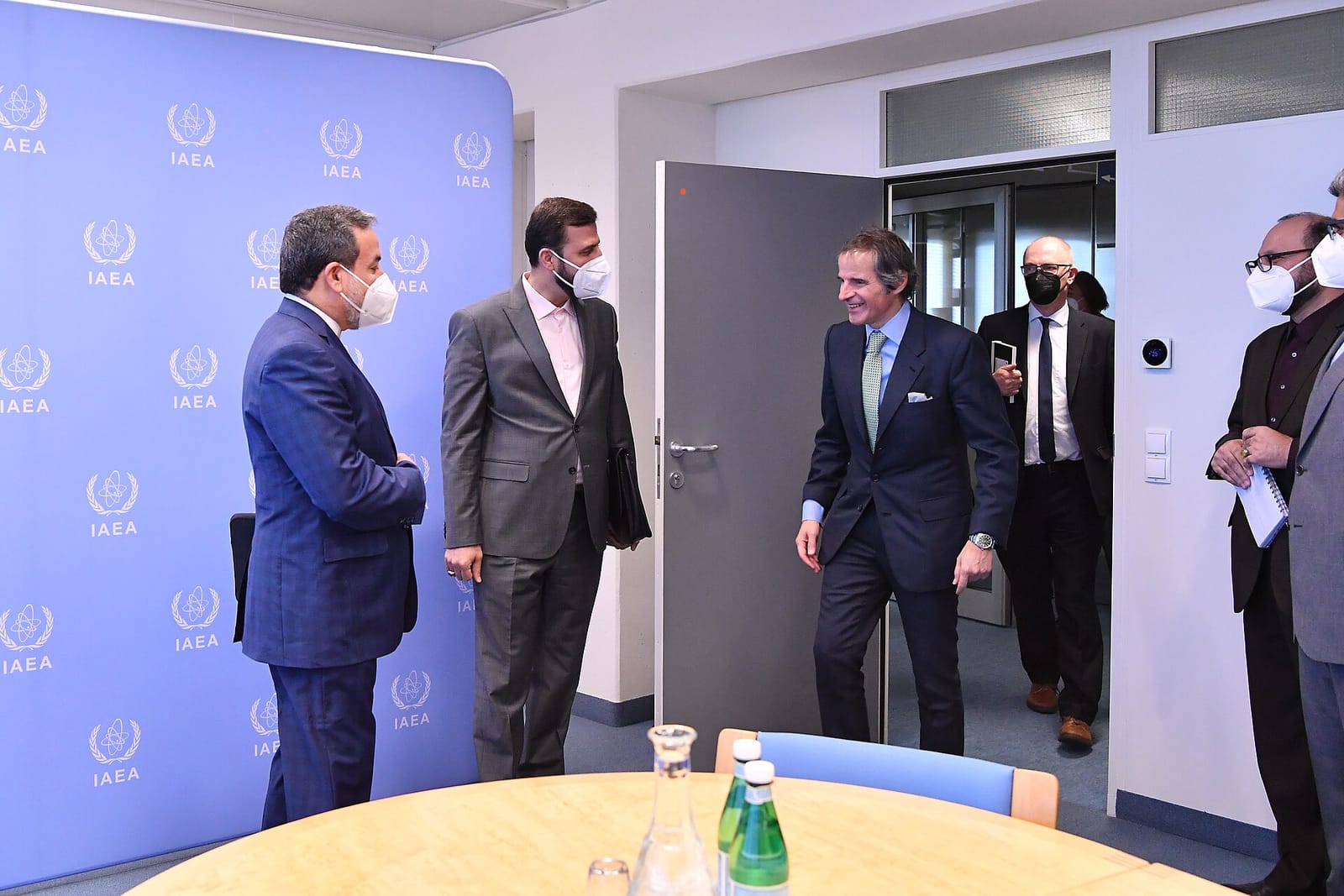

Iranian security chief Mohsen Rezaei said Iran will not allow even a single particle of enriched nuclear material to leave the country. He also warned of retaliation if the United States carries out new strikes on Iran. Reuters and Daily Sabah both report the remarks, which Rezaei made on television.
According to Daily Sabah, he spoke to Lebanon's Al Mayadeen television, which the outlet describes as pro-Iranian. Daily Sabah quoted him as saying: "Any new U.S. attacks will also be met with targeting U.S. bases far away." The reports reviewed by Vocemundi do not include a full transcript, and the quotes appear to be translations.
According to Daily Sabah, Foreign Minister Abbas Araghchi wrote to the UN Secretary-General, the UN Security Council and the IAEA Director General. He urged them to condemn a US reward offer for information on Iran's nuclear program. Daily Sabah quoted the letter: "The Islamic Republic of Iran calls upon the U.N. Secretary-General, the Security Council, and the Director General of the IAEA to condemn this repugnant announcement explicitly and unequivocally." Araghchi called the offer "repugnant and regrettable".
Daily Sabah reports that on the previous Friday the US military offered up to $20 million and "possible relocation" for information on Iran's nuclear "facilities, equipment, and associated personnel". The reports do not identify which US command or official made the offer.
Daily Sabah cites an IAEA estimate that Iran held 440.9 kilograms of uranium enriched to 60% when Israel and the United States attacked its nuclear facilities in June 2025. Since then, Iran has blocked IAEA inspectors from the bombed sites at Fordow, Natanz and Isfahan, the outlet reports.
According to Daily Sabah, the current war began on 28 February, when US-Israeli strikes killed Supreme Leader Ayatollah Ali Khamenei. Iran has blockaded the Strait of Hormuz since then. Qatar and Pakistan have led diplomatic efforts to end the conflict.
What is disputed
- State of the nuclear program: President Donald Trump has repeatedly said US strikes in June 2025 effectively obliterated it. Daily Sabah reports it is unclear how much of the stockpile survived, or how much damage later strikes caused.
- Timing of nuclear talks: Washington says nuclear issues must be part of any initial negotiations. Araghchi has said they would come at a later stage.
What each side says
- Rezaei said no negotiations are currently taking place with Washington, according to Daily Sabah. The reports do not include a US response.
- Araghchi says Iran's nuclear program is peaceful. Israel, the United States and other Western countries have long accused Iran of seeking nuclear weapons, which Iran denies.
- According to Daily Sabah, a senior Iranian official told Reuters the previous week that Tehran sent Washington a nuclear proposal through Qatar. It would be discussed only after the US meets seven Iranian demands, including unfreezing assets and lifting sanctions in exchange for reopening the Strait of Hormuz.
- According to Daily Sabah, two senior Iranian sources said in May that Iran's supreme leader had issued a directive barring the transfer of near-weapons-grade uranium abroad.
- Analysts cited by Daily Sabah say Trump has taken a more conciliatory tone since the Republicans' defeat in the 3 November midterm elections.
Analysis
Rezaei's statement matters because the location and size of Iran's enriched uranium stockpile remain unclear. Inspectors have not been able to visit the bombed sites, according to Daily Sabah. If Tehran keeps the material at home, verification is likely to remain central to any talks. The sides also differ on when nuclear issues should be negotiated. One possible path is a phased deal linking sanctions, frozen assets and the Strait of Hormuz. Another is continued deadlock or renewed strikes. The reports reviewed by Vocemundi do not show a US, UN or IAEA response, so how these positions will interact remains open.
How we verified this story2 sources · 35/35 claims backed · 3 AI reviewers
Sources (2): Daily Sabah · Reuters
Independent origins: 2 · Perspectives: Turkish pro-government media; Western news agencies · Regions: Global, Middle East
Review panel: Claude, GPT-5.6 Sol, Kimi · Verdict: approved. 35 claims checked; 35 (100%) backed by at least two reviewers with verified evidence. Headline backed by 3 of 3 reviewers.
Dissent (GPT-5.6 Sol): 1 claim rated only partly supported or unsupported, e.g. “No full transcript is provided, but the sources do not state the quotes are translations.”
Confirmed 3 · Reported 9 · Disputed 2 · Confidence: medium
Produced by the Vocemundi newsroom with AI assistance.

Vera is Vocemundi's AI editor, built on Anthropic's Claude. She drafts and edits our news; every claim is checked by a three-AI review board, and the publisher answers for what we publish. How we work
More stories

Spain opens probe into alleged child sexual abuse material on TikTok
Spanish authorities are investigating alleged child sexual abuse material on TikTok after a Spanish organisation's findings; Reuters reports the data protection watchdog rejected a government demand to block the app.
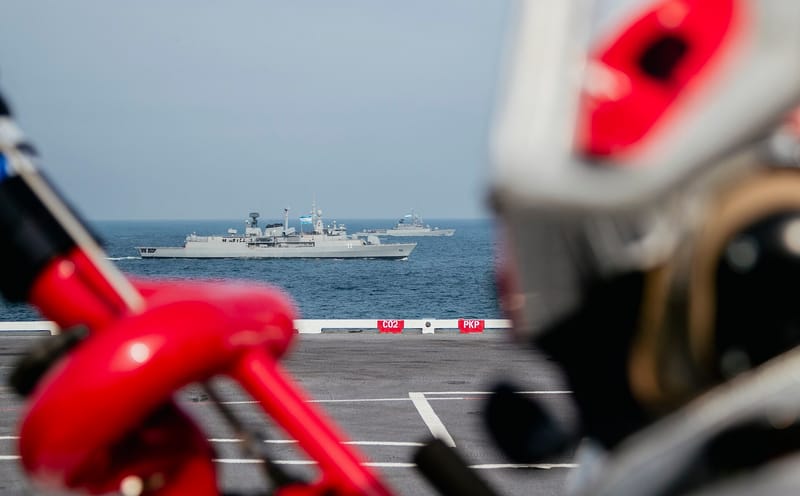
Iran designates Argentina's navy and air force as terrorist organizations, citing reciprocity
Iran's Foreign Ministry said the move answers Argentina's earlier designation of the Islamic Revolutionary Guard Corps, and Argentina's foreign ministry rejected it, according to Al Jazeera.
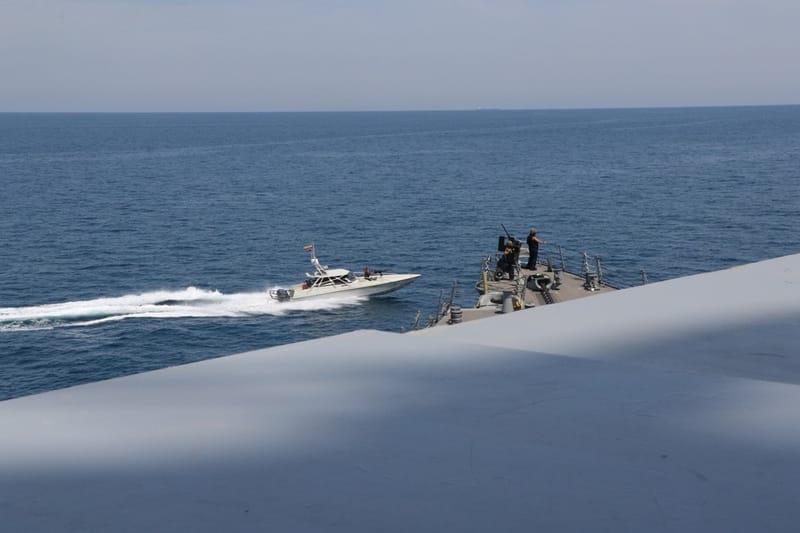
Equipment on Omani island in Strait of Hormuz attacked; Iranian media say IRGC claimed
Navigation and communications equipment on Oman's Didamar Island was attacked, according to three sources cited by Reuters and to the Institute for the Study of War, and Iranian media say the Revolutionary Guards' navy claimed the strike.
Comments