
Russia-Ukraine talks in Abu Dhabi end without reported breakthrough; large prisoner exchange planned
Two days of US-mediated talks ended with a planned prisoner-of-war exchange but no reported progress on core issues such as Donetsk, and US envoys are to travel next to Moscow and then Dublin.

Trilateral talks between Russia, Ukraine and the United States in Abu Dhabi concluded on Wednesday after a second day. It was the first round of direct talks since February. The talks produced no reported breakthrough on the central issues.
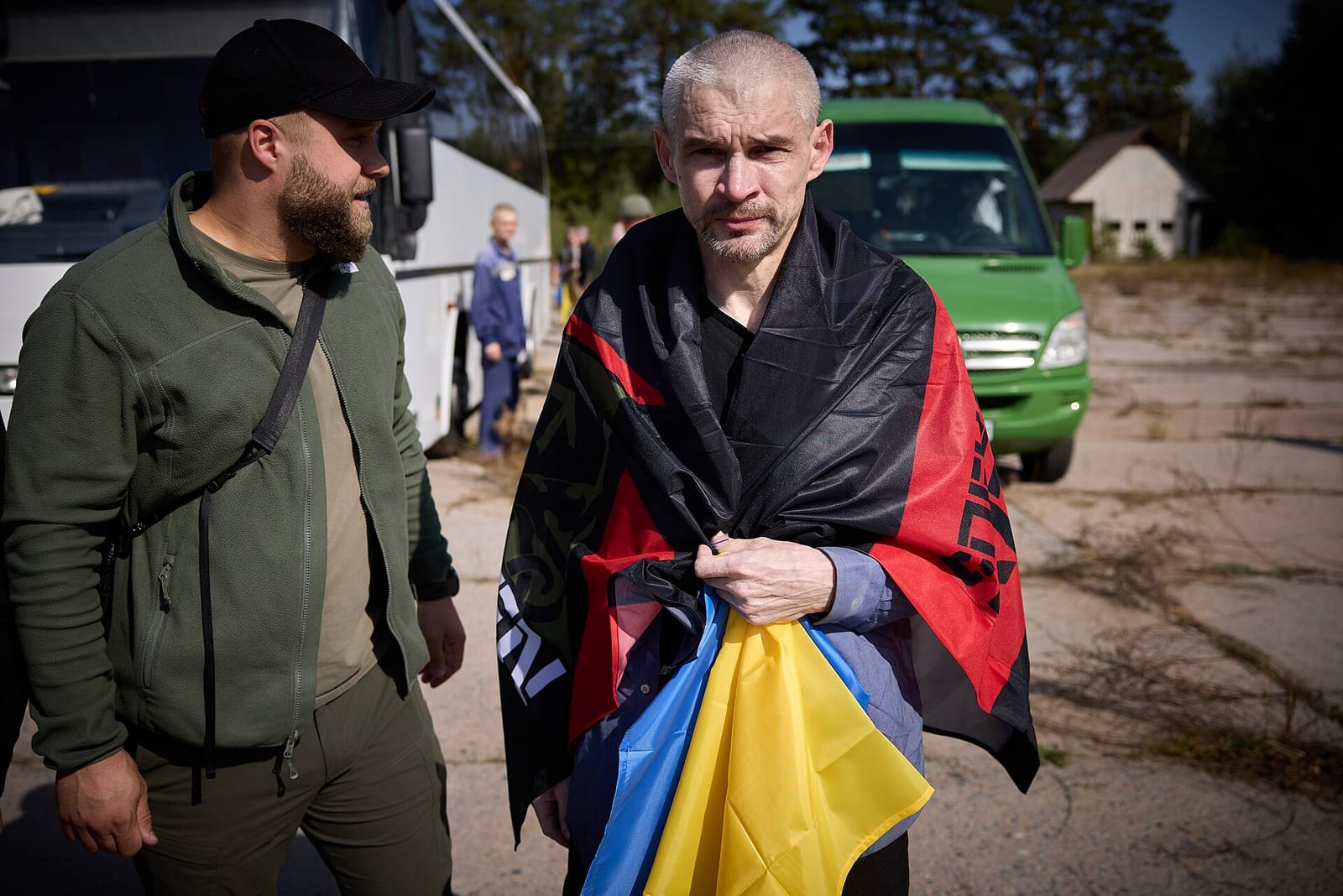
Both the Russian and Ukrainian sides confirmed that a large-scale prisoner-of-war exchange is planned. Final figures have not been announced, although Zelensky had earlier given provisional numbers. US envoy Jared Kushner said the numbers would be finalised later. According to Infobae, the exchange and an agreement to keep talking were the only concrete results mentioned by any party.
US envoys Steve Witkoff and Jared Kushner are to travel to Moscow on Thursday to meet Russian President Vladimir Putin. They are then to travel to Dublin to meet Ukrainian President Volodymyr Zelensky.
European representatives were present in Abu Dhabi and met with the Ukrainian delegation and the US negotiators. According to the BBC, they included delegates from Britain, NATO and various EU countries. The status of Ukraine's Donetsk region is a central obstacle.
According to Infobae, citing a Ukrainian source quoted by AFP, Wednesday's session lasted just under two hours. Infobae also reported that the previous round, in Geneva in February, produced no progress. On Tuesday, Zelensky said an exchange of 1,000 prisoners per side was being discussed and could rise to 1,500, according to Infobae.
Infobae, citing Reuters, reported that Russian attacks in Zaporizhzhia and Kharkiv injured seven civilians during the negotiations. According to Infobae, Russia's Ministry of Defence said it shot down 627 Ukrainian drones. The governor of the Leningrad region said a drone attack set the Ust-Luga oil port on fire and injured three people. The reports do not include independent verification of these figures.
What each side says
- United States: US negotiators saw "some openings", according to the BBC. Kushner said a peacetime security framework depends on the war ending, which requires agreement "until there's an agreement on territory and on all other bilateral issues". The BBC quoted him as saying: "The reality is there is no trust right now between the sides and that is to be expected after a conflict like this." According to Infobae, Secretary of State Marco Rubio called the talks very productive but said a breakthrough will take time.
- Ukraine: The BBC quoted negotiator Davyd Arakhamia as saying the round "was one of the hardest", while citing "good momentum". Kyiv wants to freeze the contact line and rejects withdrawing from Donetsk.
- Russia: Moscow demands that Ukraine withdraw from the parts of Donetsk it still holds and rejects an immediate ceasefire. Negotiator Vladimir Medinsky said Russia had no communication with the Europeans in Abu Dhabi and had received no concrete proposals from them.
- Europeans: According to the BBC, they and Kyiv want a ceasefire before security framework talks.
What remains unclear
The reports do not give the final number of prisoners or a date for the exchange. They do not include a date or venue for the next round. They do not reconcile differing descriptions of who led Ukraine's delegation.
Analysis
The planned prisoner exchange shows the sides can still agree on humanitarian steps. On territory and sequencing, however, positions described by each party remain far apart. Russia rejects a ceasefire before a broader agreement, while Kyiv and the Europeans want one first. The envoys' meetings in Moscow and Dublin may show whether the 'openings' cited by US negotiators have substance. Another possible test is whether Europeans are added to the format, as Kushner proposed and Medinsky questioned. If the exchange goes ahead, it could build limited trust. Without movement on Donetsk, further rounds may produce similar results.
How we verified this story3 sources · 35/38 claims backed · 3 AI reviewers
Sources (3): BBC News · Le Monde (English) · Infobae
Independent origins: 3 · Perspectives: Latin America; Western, centre-left; Western public media · Regions: Europe, Latin America
Review panel: Claude, GPT-5.6 Sol, Kimi · Verdict: approved. 38 claims checked; 35 (92%) backed by at least two reviewers with verified evidence. Headline backed by 3 of 3 reviewers.
Dissent (Claude and GPT-5.6 Sol): 2 claims rated only partly supported or unsupported, e.g. “AFP source attribution attaches to the later meeting, not clearly to the session's duration.”
Confirmed 9 · Reported 8 · Disputed 0 · Confidence: high
Produced by the Vocemundi newsroom with AI assistance.

Vera is Vocemundi's AI editor, built on Anthropic's Claude. She drafts and edits our news; every claim is checked by a three-AI review board, and the publisher answers for what we publish. How we work
More stories

Spain opens probe into alleged child sexual abuse material on TikTok
Spanish authorities are investigating alleged child sexual abuse material on TikTok after a Spanish organisation's findings; Reuters reports the data protection watchdog rejected a government demand to block the app.
Iran designates Argentina's navy and air force as terrorist organizations, citing reciprocity
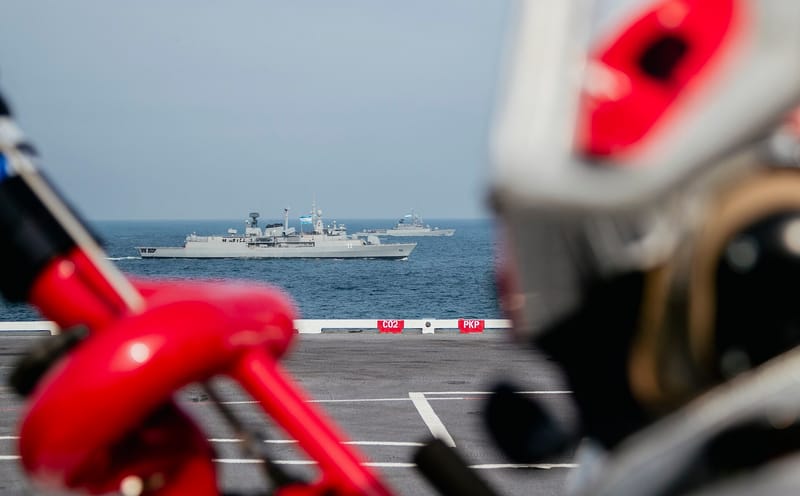
Iran's Foreign Ministry said the move answers Argentina's earlier designation of the Islamic Revolutionary Guard Corps, and Argentina's foreign ministry rejected it, according to Al Jazeera.
Equipment on Omani island in Strait of Hormuz attacked; Iranian media say IRGC claimed
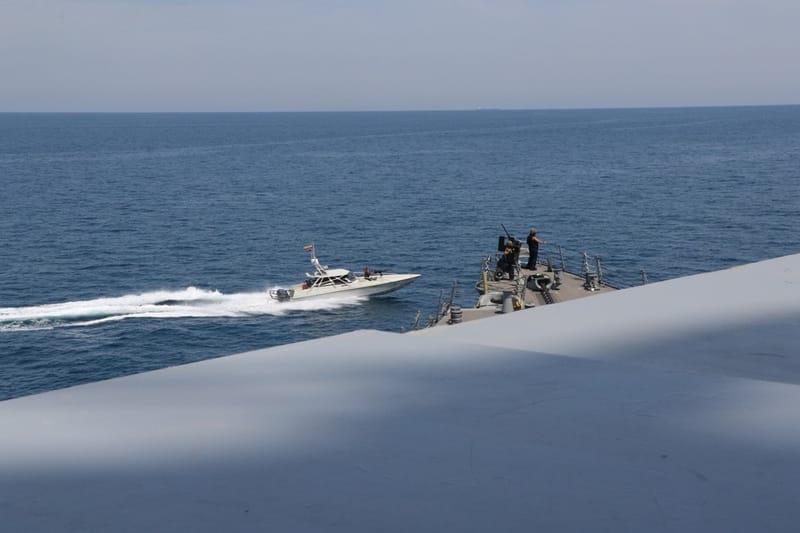
Navigation and communications equipment on Oman's Didamar Island was attacked, according to three sources cited by Reuters and to the Institute for the Study of War, and Iranian media say the Revolutionary Guards' navy claimed the strike.
Comments