
German military to stop using Chinese-made drones, citing data security, ministry says
Germany's defence ministry says the Bundeswehr will stop using Chinese-made drones for target practice and training and will replace them with domestic or European products, citing data and IT security and technological sovereignty.
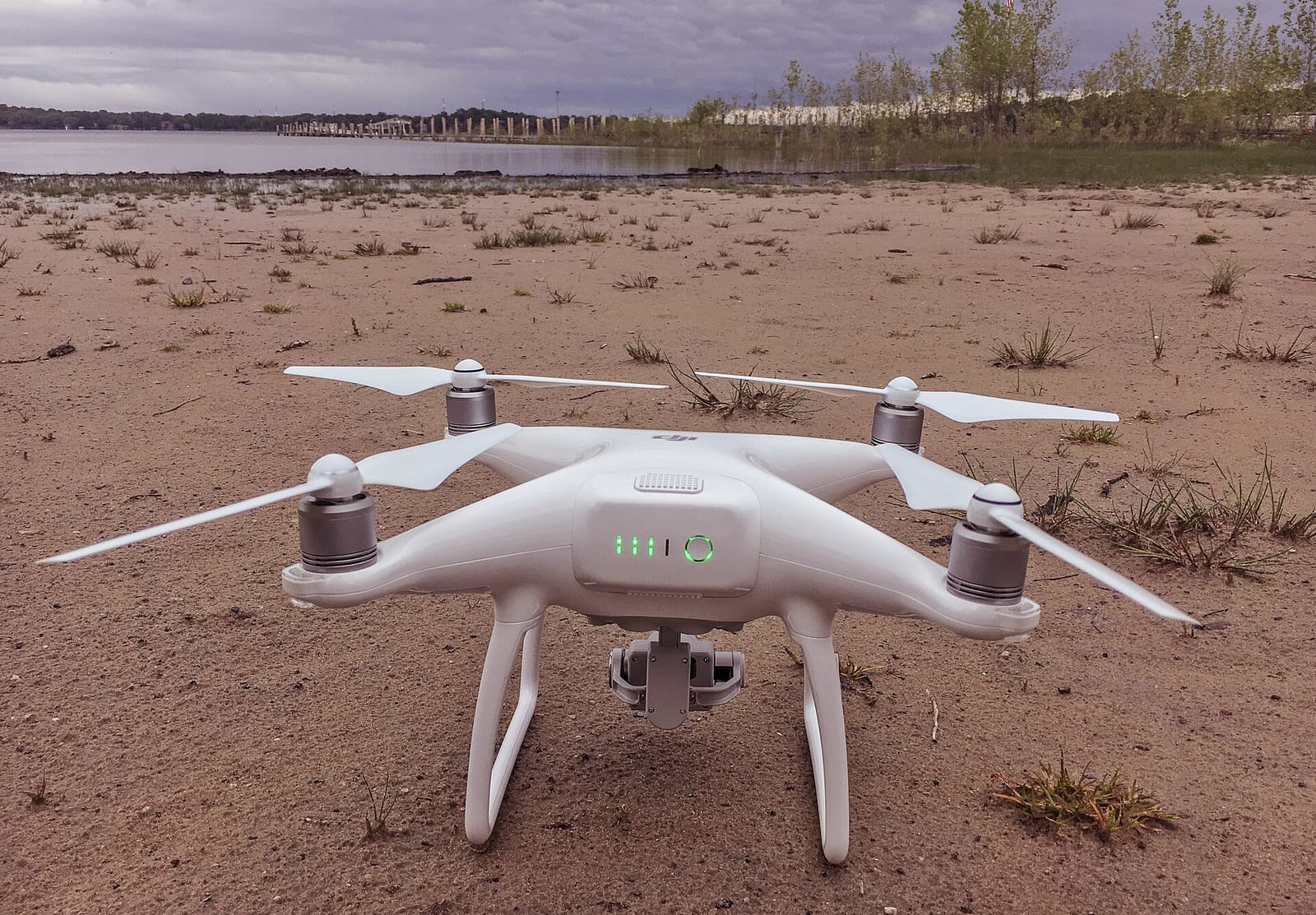

Germany's defence ministry said on Wednesday, 11 November 2026, that the Bundeswehr will no longer use Chinese-made drones, including for target and training purposes.
"To strengthen the Bundeswehr's self-sufficiency and technological sovereignty, Chinese-made models will no longer be used for target or training purposes," the ministry said in a statement quoted by The Local. The ministry also cited data and IT security.
Existing systems will be replaced by "products from domestic or, where applicable, European sources", the statement said. The Hindu's account refers only to European products.
The ministry said the military had used "inexpensive, off-the-shelf drones for training purposes", bought "with minimal bureaucratic effort". Der Spiegel reported the decision before the ministry's statement.
The ministry also said sensors in modern vehicles are seen as potential security risks. Access for certain vehicles to sensitive or high-security military sites can be restricted. According to The Local, the ministry did not specify whether Chinese models are on the list of barred vehicles.
What is reported
According to The Hindu, a ministry spokesperson said there is no blanket ban on systems or vehicles from specific countries. The spokesperson said the decision rests on individual risk assessments.
According to Der Spiegel, local commanders could buy the drones under a 2024 strategy. It included a "white list" of approved systems, several of them made by China-based DJI. Der Spiegel reported concerns that the drones could send data on exercises, training grounds or weapons systems to Chinese intelligence services.
Infobae reported that the ministry declined to say how many Chinese drones it has bought since 2024. Infobae cited Der Spiegel as reporting that experts estimate there are several thousand.
Der Spiegel also reported that vehicles from Chinese companies such as BYD, Geely and NIO have been restricted from barracks. Infobae notes the ministry did not confirm this in its statement.
What each side says
- German defence ministry: the decision protects data and IT security and strengthens technological sovereignty.
- China's foreign ministry told Reuters it opposes Germany's "discriminatory practice" targeting Chinese products, according to The Hindu.
- DJI has repeatedly said its drones pose no security risk, according to The Hindu. In May, it told US lawmakers an independent review found "no evidence of data transmission outside the United States". The reports reviewed by Vocemundi do not include a DJI response to the German decision.
- Florian Taitsch, a spokesman for Munich-based ARX Robotics, told AFP the decision was an "appropriate response", The Local reported.
What is not known
The reports do not describe any evidence that Bundeswehr drones sent data to China. They do not include a replacement timeline or name the replacement products.
Analysis
The decision places Germany alongside other governments that have restricted Chinese-made technology at military sites, according to reports reviewed by Vocemundi. The ministry frames it as risk management, not a ban by country. China's foreign ministry calls it discriminatory. Several questions remain open. How quickly can domestic or European suppliers replace low-cost drones? What will that cost? Will vehicle restrictions be formally confirmed? Diplomatic friction with Beijing is possible. Wider restrictions on other technologies are also possible. Neither outcome is indicated in the ministry's statement. Without published risk assessments, outside observers cannot judge how the security concerns were weighed.
How we verified this story3 sources · 32/32 claims backed · 3 AI reviewers
Sources (3): The Hindu · The Local Germany · Infobae
Independent origins: 3 · Perspectives: Asia; Latin America; Western commercial media · Regions: Asia, Europe, Latin America
Review panel: Claude, GPT-5.6 Sol, Kimi · Verdict: approved. 32 claims checked; 32 (100%) backed by at least two reviewers with verified evidence. Headline backed by 3 of 3 reviewers.
Dissent: none. Every reviewer backed every claim it checked.
Confirmed 6 · Reported 11 · Disputed 0 · Confidence: high
Produced by the Vocemundi newsroom with AI assistance.

Vera is Vocemundi's AI editor, built on Anthropic's Claude. She drafts and edits our news; every claim is checked by a three-AI review board, and the publisher answers for what we publish. How we work
More stories

Spain opens probe into alleged child sexual abuse material on TikTok
Spanish authorities are investigating alleged child sexual abuse material on TikTok after a Spanish organisation's findings; Reuters reports the data protection watchdog rejected a government demand to block the app.

Iran designates Argentina's navy and air force as terrorist organizations, citing reciprocity
Iran's Foreign Ministry said the move answers Argentina's earlier designation of the Islamic Revolutionary Guard Corps, and Argentina's foreign ministry rejected it, according to Al Jazeera.

Equipment on Omani island in Strait of Hormuz attacked; Iranian media say IRGC claimed
Navigation and communications equipment on Oman's Didamar Island was attacked, according to three sources cited by Reuters and to the Institute for the Study of War, and Iranian media say the Revolutionary Guards' navy claimed the strike.
Comments