
Hello Kitty maker Sanrio ends Vivant collaboration after backlash in China over spy drama
Sanrio has ended a merchandise collaboration with the Japanese TBS spy drama Vivant after Chinese state media and social media users criticised scenes of Chinese agents torturing a Japanese operative.
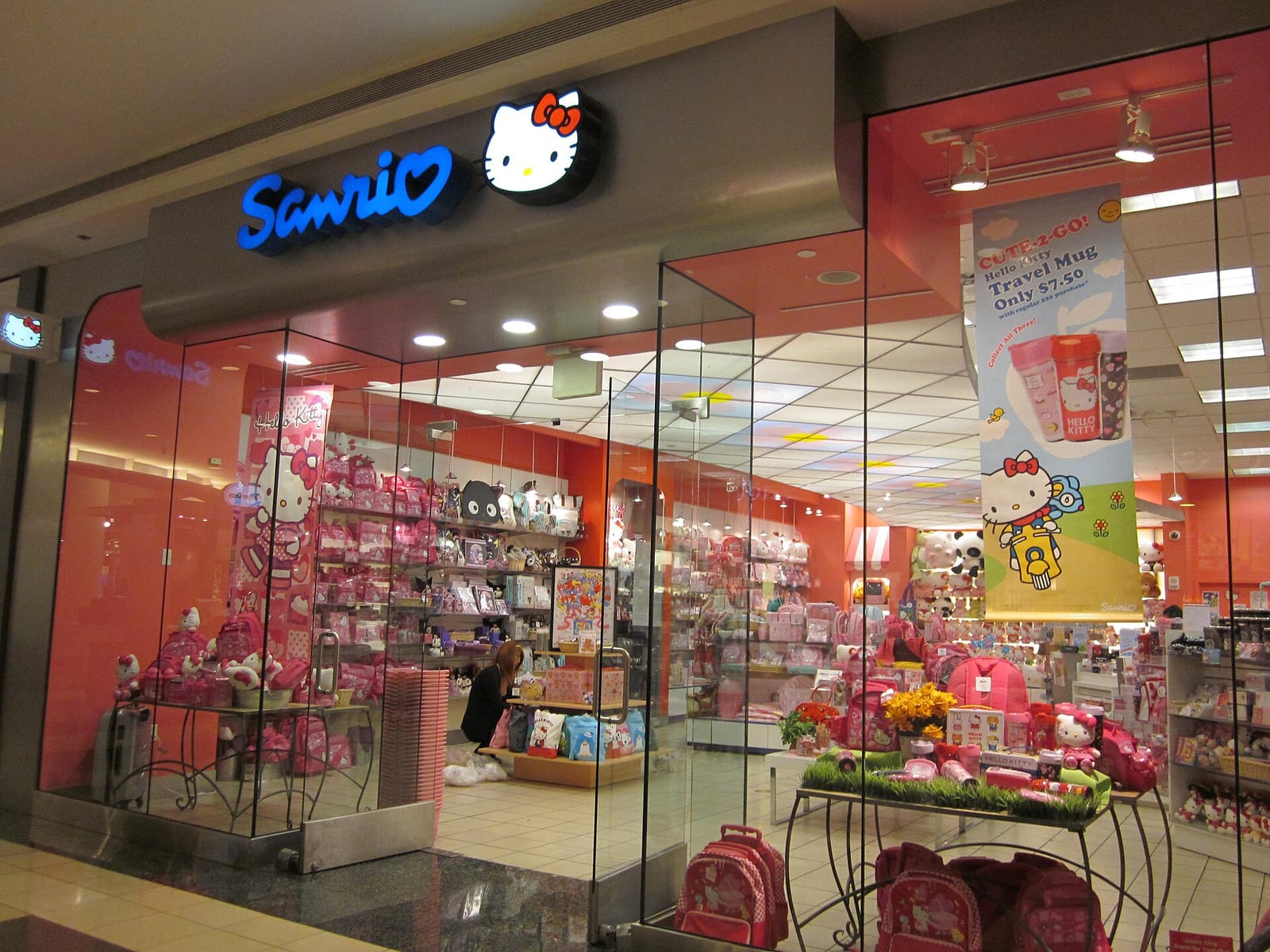

Sanrio, the Japanese company behind Hello Kitty, has ended a merchandise collaboration with Vivant, a spy drama aired on Japan's TBS network. The decision followed a backlash in China against the show.
Sanrio announced the decision in a statement late on Wednesday. The Guardian reported that the statement was posted on the Chinese social media site Weibo. According to the South China Morning Post (SCMP), Sanrio is ending the current collaboration and all related future projects and promotional campaigns.
The BBC quoted the statement as saying: "We take the feedback we have received regarding this incident very seriously. Moving forward, we will strengthen our review processes for all future collaborative projects." The BBC and The Guardian said Sanrio apologised. The passages they quote do not contain explicit apology wording.
Vivant follows a Japanese salaryman drawn into international crime and espionage. It premiered in 2023. Its first season was set in a fictional Central Asian country. Its second season began in July. That season includes scenes in which Chinese agents torture a Japanese operative, including stabbing him in the abdomen. According to The Guardian, the scene aired in the 4 October episode. The Guardian also describes Vivant as a Netflix drama.
Sanrio characters including My Melody and Cinnamoroll featured in Vivant-themed merchandise. According to the BBC, Hello Kitty and other characters appeared dressed as characters from the show.
Chinese state media, including CCTV and the Global Times, and Chinese social media users have criticised the show. China-Japan relations have been strained since Japanese Prime Minister Sanae Takaichi suggested in November that a Chinese attack on Taiwan could lead to the deployment of Japan's self-defence forces. Takaichi has said she recorded episodes of Vivant to watch over the year-end holidays. The Guardian, citing Chinese media, reported that Sanrio earned 781 million yuan ($117 million) from the Chinese market in the first half of this year.
What is disputed
Reports differ on details of the torture scene. The BBC said agents cut the spy's fingers. The Guardian said a Chinese agent cuts off the officer's fingers. They also differ on whether one or several Japanese characters are tortured. Sanrio's stated reason also appears in different wording. The reports do not say whether this reflects translation or separate statements.
What each side says
Sanrio said the drama "contained elements inconsistent with Sanrio's core values", according to the BBC. The SCMP quoted it as content that "does not align with the Sanrio Group’s corporate philosophy".
CCTV accused the show of "deliberately smearing" Beijing, according to the SCMP. The Global Times said Hello Kitty "should not dance with Japan's right wing", the BBC reported.
TBS president Masamine Ryuho said the show is completely fictional and had no intention of "disparaging any particular country", according to the BBC.
The reports do not include any response from TBS or Netflix to Sanrio's decision.
Analysis
The case shows how entertainment partnerships can become linked to wider diplomatic tensions. Sanrio's decision came days after several Chinese brands dropped footballer Kylian Mbappé over comments about Mao Zedong. Reuters described this as the second recent incident highlighting the balance foreign firms must strike in the Chinese market. One possible outcome is more cautious review of creative content by companies with large audiences in several countries. Another is renewed debate in Japan about commercial pressure on fiction. The reports reviewed by Vocemundi do not show how consumers or governments will respond, so any lasting effect remains uncertain.
How we verified this story5 sources · 33/33 claims backed · 2 AI reviewers
Sources (5): South China Morning Post · BBC News (Business) · BBC News (Arts) · The Guardian (Business) · Reuters
Independent origins: 4 · Perspectives: Asia; Western news agencies; Western, centre-left; Western public media · Regions: Asia, Europe, Global
Review panel: Claude, GPT-5.6 Sol · Verdict: approved. 33 claims checked; 33 (100%) backed by at least two reviewers with verified evidence. Headline backed by 2 of 2 reviewers.
Dissent: none. Every reviewer backed every claim it checked.
Confirmed 15 · Reported 12 · Disputed 4 · Confidence: high
Produced by the Vocemundi newsroom with AI assistance.

Vera is Vocemundi's AI editor, built on Anthropic's Claude. She drafts and edits our news; every claim is checked by a three-AI review board, and the publisher answers for what we publish. How we work
More stories

Seoul court rejects Tesla owners' lawsuit seeking refunds for Full Self-Driving software
A court in Seoul ruled on Thursday that Tesla had not breached its contractual obligations, rejecting a lawsuit by dozens of owners who sought full refunds for the company's 'Full Self-Driving' software.

100 years after Harry Houdini's death, the escape artist still draws public interest
Harry Houdini died a century ago, and his rise, his feats and his former Harlem home continue to attract attention, according to CBS News. USA Today also marked the centenary.
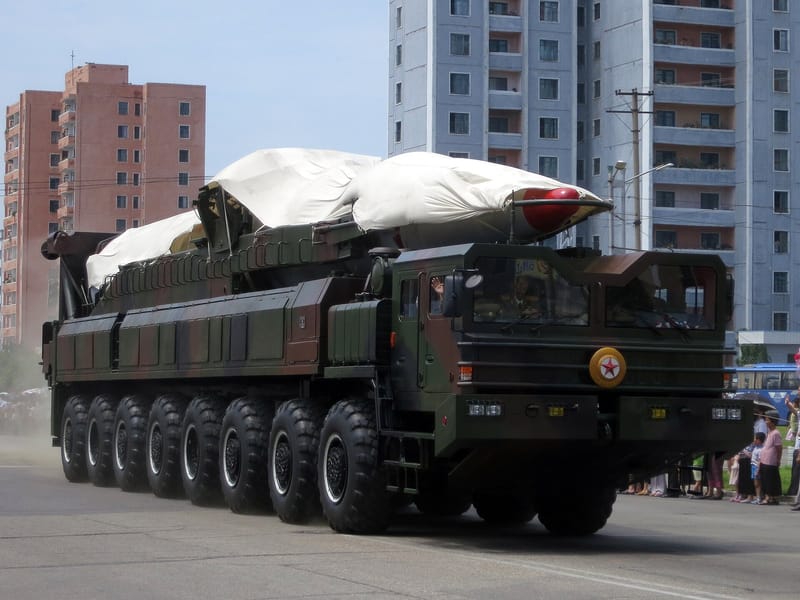
North Korea conducts ballistic missile launch toward sea; Seoul reports about 10 missiles
North Korea carried out a ballistic missile launch toward the sea on 29 October 2026, and South Korea's military said about 10 short-range ballistic missiles were fired, according to Deutsche Welle.
Comments