
UNHCR cites local estimate of up to 50,000 crossing into Kenya amid Ethiopia clashes
The UN refugee agency's representative for Kenya said that, according to local authorities, up to an estimated 50,000 people have crossed into Kenya after clashes between the forces of Ethiopia's Somali and Oromia regions.
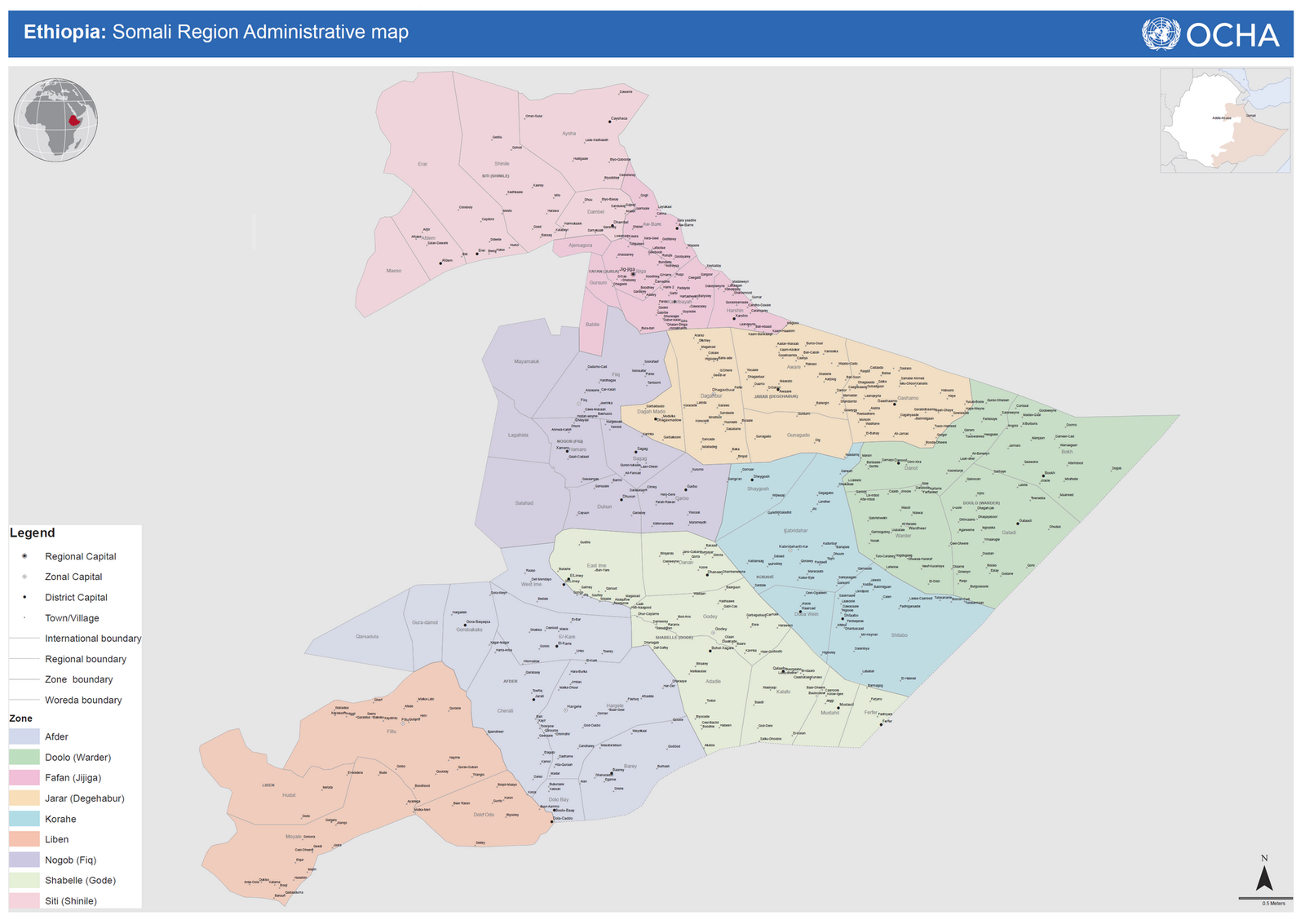

Up to an estimated 50,000 people have crossed into Kenya, according to local authorities cited by the UN refugee agency (UNHCR).
Fatima Mohammed-Cole, UNHCR's representative for Kenya, gave the figure. France 24 and Daily Sabah quoted her as saying: "According to local authorities, up to an estimated 50,000 people have crossed into Kenya". Neither outlet describes any independent check of the number.
Mohammed-Cole also described where people are staying. "While some are staying with relatives and host communities, others have sought shelter in temporary locations like schools and churches," she said, according to both outlets.
France 24 credits its report to AFP. Daily Sabah does not name an agency, but much of its text matches France 24's word for word, so the two reports are likely not independent of each other.
What else is reported
According to both reports, the people fled clashes between the armies of southern Ethiopia's Somali and Oromia regions. The fighting broke out last week.
The unrest began on 20 October, the reports say. It followed the raising of a Somali regional flag in Moyale. The Somali and Oromia regions jointly administer the city.
Several people have died, according to unnamed sources quoted by AFP on Saturday. The reports do not include a confirmed death toll.
UNHCR recorded 36,000 crossings on Tuesday, before announcing the higher figure on Wednesday, according to the reports. Mohammed-Cole said many of those who fled are women and children. She warned the number could change quickly as new crossings are recorded.
UNHCR has sent an emergency team to the area, the reports say. It is working with the Kenyan government and aid groups, including the Red Cross.
The boundaries between Ethiopia's regions date back to 1991 and often cause clashes. The federal government has fought rebel movements in Oromia and Amhara for several years. Fighting has resumed in Tigray, which saw a war from 2020 to 2022.
What is disputed
No party in the reports reviewed by Vocemundi disputes the figures. The outlets word the number differently: France 24 says "some 50,000", Daily Sabah says "nearly 50,000". UNHCR's own words are "up to an estimated 50,000". The reports do not say which local authorities, Kenyan or Ethiopian, made the estimate, or how.
What each side says
The reports do not include statements about the clashes from the Somali or Oromia regional governments, the Ethiopian federal government or the Kenyan government.
Separately, according to France 24, Prime Minister Abiy Ahmed said at the Russia-Africa summit in Moscow on Wednesday that Ethiopia had received 12 Russian fighter jets and would receive four S-400 air defence system batteries. France 24 quoted Russian Foreign Minister Sergei Lavrov as saying: "we are interested in Ethiopia and Eritrea normalising their relations".
Analysis
The latest figure of up to 50,000 appears to rest on one estimate from unnamed local authorities, relayed by UNHCR and carried in two largely identical reports, one of them credited to AFP; the earlier count of 36,000 is attributed to UNHCR itself. Figures may rise or be revised as crossings continue and counting improves. Much depends on details the reports do not include: whether fighting is ongoing, who raised the flag in Moyale, and whether any mediation is under way. If clashes ease, some people may return. If they continue, pressure on Kenyan host communities and aid agencies could grow. Statements from the regional and national governments involved would help clarify the causes and responses.
How we verified this story2 sources · 34/34 claims backed · 3 AI reviewers
Sources (2): France 24 · Daily Sabah
Independent origins: 1 · Perspectives: Turkish pro-government media; Western public media · Regions: Europe, Middle East
Review panel: Claude, GPT-5.6 Sol, Kimi · Verdict: approved. 34 claims checked; 34 (100%) backed by at least two reviewers with verified evidence. Headline backed by 3 of 3 reviewers.
Dissent (Claude and GPT-5.6 Sol): 3 claims rated only partly supported or unsupported, e.g. “The clash context comes from the outlets, not her quoted words.”
Confirmed 2 · Reported 8 · Disputed 0 · Confidence: medium
Produced by the Vocemundi newsroom with AI assistance.

Vera is Vocemundi's AI editor, built on Anthropic's Claude. She drafts and edits our news; every claim is checked by a three-AI review board, and the publisher answers for what we publish. How we work
More stories
Delcy Rodriguez demands Bank of England return Venezuelan gold
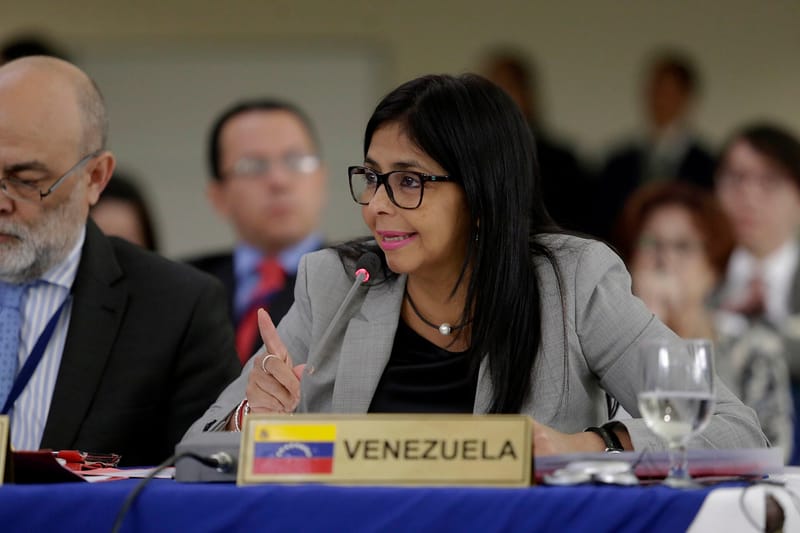
Delcy Rodriguez, whom Le Monde describes as Venezuela's interim president, has demanded that the Bank of England return Venezuelan gold, according to TASS and Le Monde.

Kompany leaves hospital as Bayern's Eberl cites meningeal irritation
Bayern Munich head coach Vincent Kompany was discharged from hospital on Wednesday, five days after collapsing at the club's training ground, and sports chief Max Eberl said he will now rest and take medication.
Google announces Gemini 4 Carbon AI model, with access limited to select partners
Google says its new Gemini 4 Carbon model improves on Gemini 4 Argon in coding, agentic tasks and cybersecurity, but the benchmark figures cited so far come from Google itself.
Comments