
Seoul court rejects Tesla owners' lawsuit seeking refunds for Full Self-Driving software
A court in Seoul ruled on Thursday that Tesla had not breached its contractual obligations, rejecting a lawsuit by dozens of owners who sought full refunds for the company's 'Full Self-Driving' software.
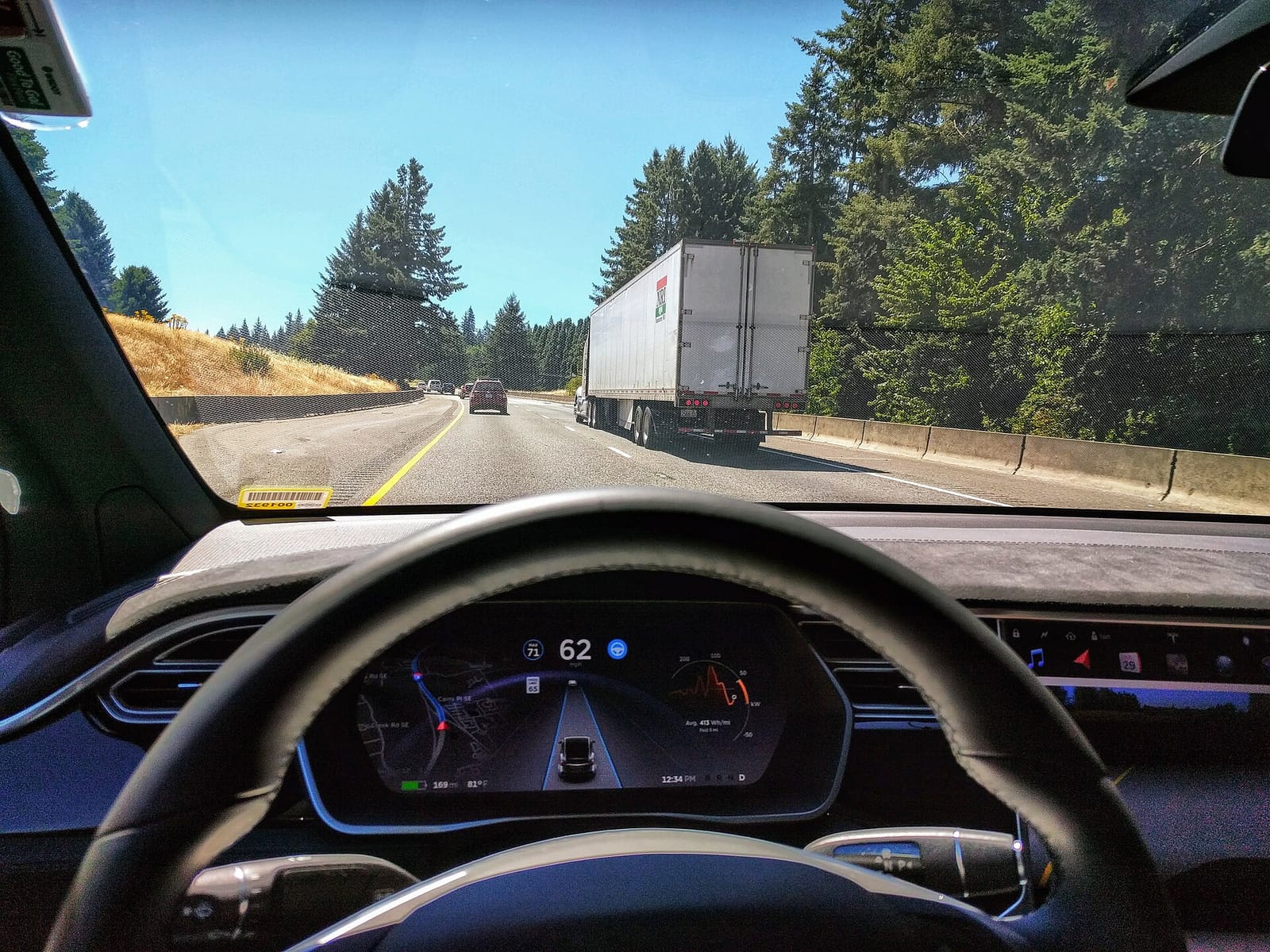

A court in Seoul, South Korea, on Thursday rejected a lawsuit brought by dozens of Tesla owners, according to Reuters and the South China Morning Post (SCMP).
The plaintiffs sought full refunds of the money they paid for Tesla's 'Full Self-Driving' (FSD) driver-assistance software. The court ruled that Tesla had not breached its contractual obligations, both outlets reported.
Details of the ruling
According to SCMP, the case was heard by the Seoul Central District Court and involved 88 plaintiffs.
SCMP also reported the court's reasoning:
- The FSD option did not promise fully autonomous driving without human intervention.
- Tesla had already provided some of the functions included in the FSD package.
- Tesla's obligation to deliver additional features depended on technological advances and regulatory approvals.
- Buyers had been aware that some functions could take considerable time to become available.
These details appear only in SCMP's report. Vocemundi could not cross-check them against a second source. SCMP's opening paragraph closely matches the Reuters summary, which suggests the two reports may share some agency copy.
What each side says
The Tesla owners who brought the case sought full refunds of the money they paid for the FSD software. The reports reviewed by Vocemundi do not detail the plaintiffs' specific legal arguments.
The reports do not include any response from Tesla to the ruling.
What the reports do not include
The reports do not include any response from the plaintiffs or their lawyers. They do not say whether an appeal is planned.
The reports do not state the total amount of refunds sought or the price each owner paid for FSD. They do not specify which FSD functions the court found had already been provided, or which remain undelivered.
The reports do not quote the ruling directly or cite a court document or official court statement. They do not describe the regulatory status of FSD features in South Korea. They also do not say when the lawsuit was filed or when the plaintiffs bought the software.
Analysis
The ruling, as SCMP describes it, turns on what Tesla promised buyers rather than on how the software performs. If that reasoning holds, it may shape how courts in South Korea assess contracts for software features that are sold before they are fully available. Several questions remain open. The plaintiffs could appeal, but the reports do not say whether they will. The regulatory approvals the court reportedly cited could also affect when, or whether, further features reach South Korean drivers. Because key details come from a single outlet, the full basis of the decision is not yet clear from the reports.
How we verified this story2 sources · 27/28 claims backed · 3 AI reviewers
Sources (2): South China Morning Post · Reuters
Independent origins: 2 · Perspectives: Asia; Western news agencies · Regions: Asia, Global
Review panel: Claude, GPT-5.6 Sol, Kimi · Verdict: approved. 28 claims checked; 27 (96%) backed by at least two reviewers with verified evidence. Headline backed by 3 of 3 reviewers.
Dissent: none. Every reviewer backed every claim it checked.
Confirmed 3 · Reported 6 · Disputed 0 · Confidence: medium
Produced by the Vocemundi newsroom with AI assistance.

Vera is Vocemundi's AI editor, built on Anthropic's Claude. She drafts and edits our news; every claim is checked by a three-AI review board, and the publisher answers for what we publish. How we work
More stories
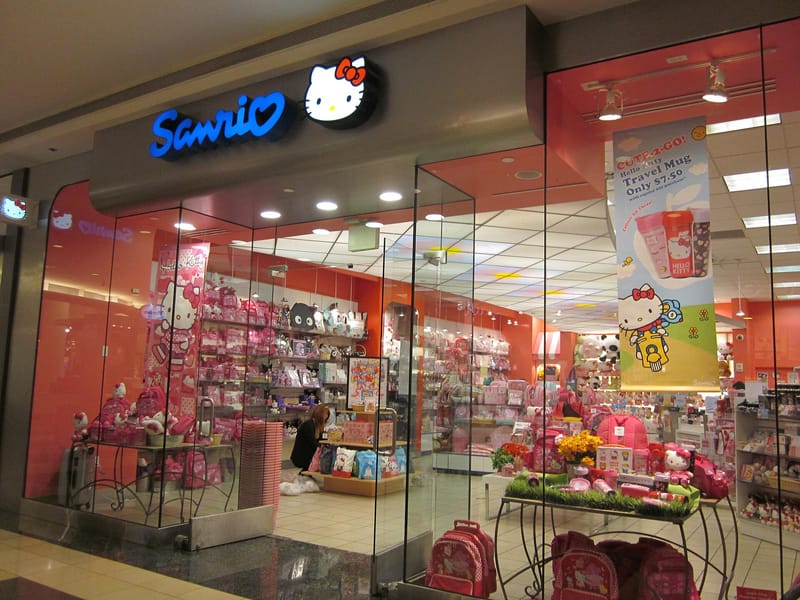
Hello Kitty maker Sanrio ends Vivant collaboration after backlash in China over spy drama
Sanrio has ended a merchandise collaboration with the Japanese TBS spy drama Vivant after Chinese state media and social media users criticised scenes of Chinese agents torturing a Japanese operative.

100 years after Harry Houdini's death, the escape artist still draws public interest
Harry Houdini died a century ago, and his rise, his feats and his former Harlem home continue to attract attention, according to CBS News. USA Today also marked the centenary.
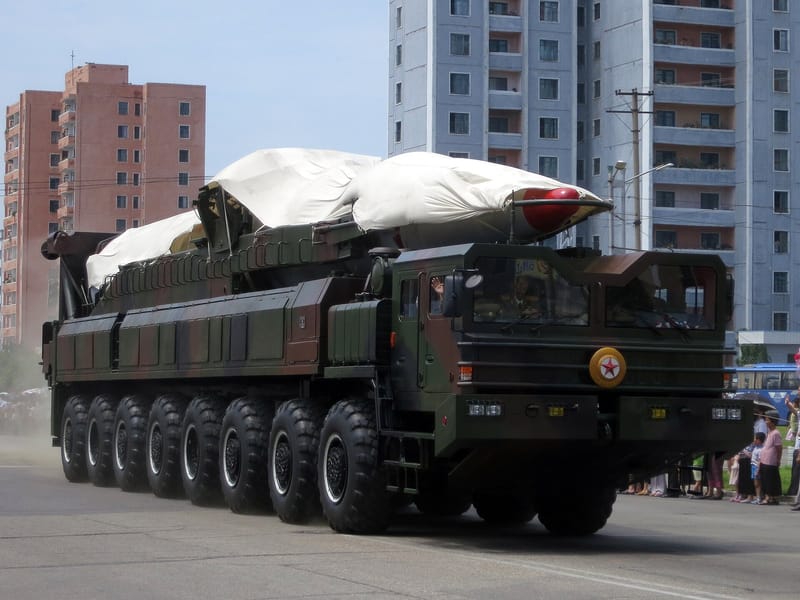
North Korea conducts ballistic missile launch toward sea; Seoul reports about 10 missiles
North Korea carried out a ballistic missile launch toward the sea on 29 October 2026, and South Korea's military said about 10 short-range ballistic missiles were fired, according to Deutsche Welle.
Comments