
Winnie-the-Pooh turns 100 as Royal Mail issues commemorative stamps, BBC reports
According to the BBC, Royal Mail has released stamps marking a century since A. A. Milne's Winnie-the-Pooh, featuring E. H. Shepard's original illustrations and Disney's versions of the characters.
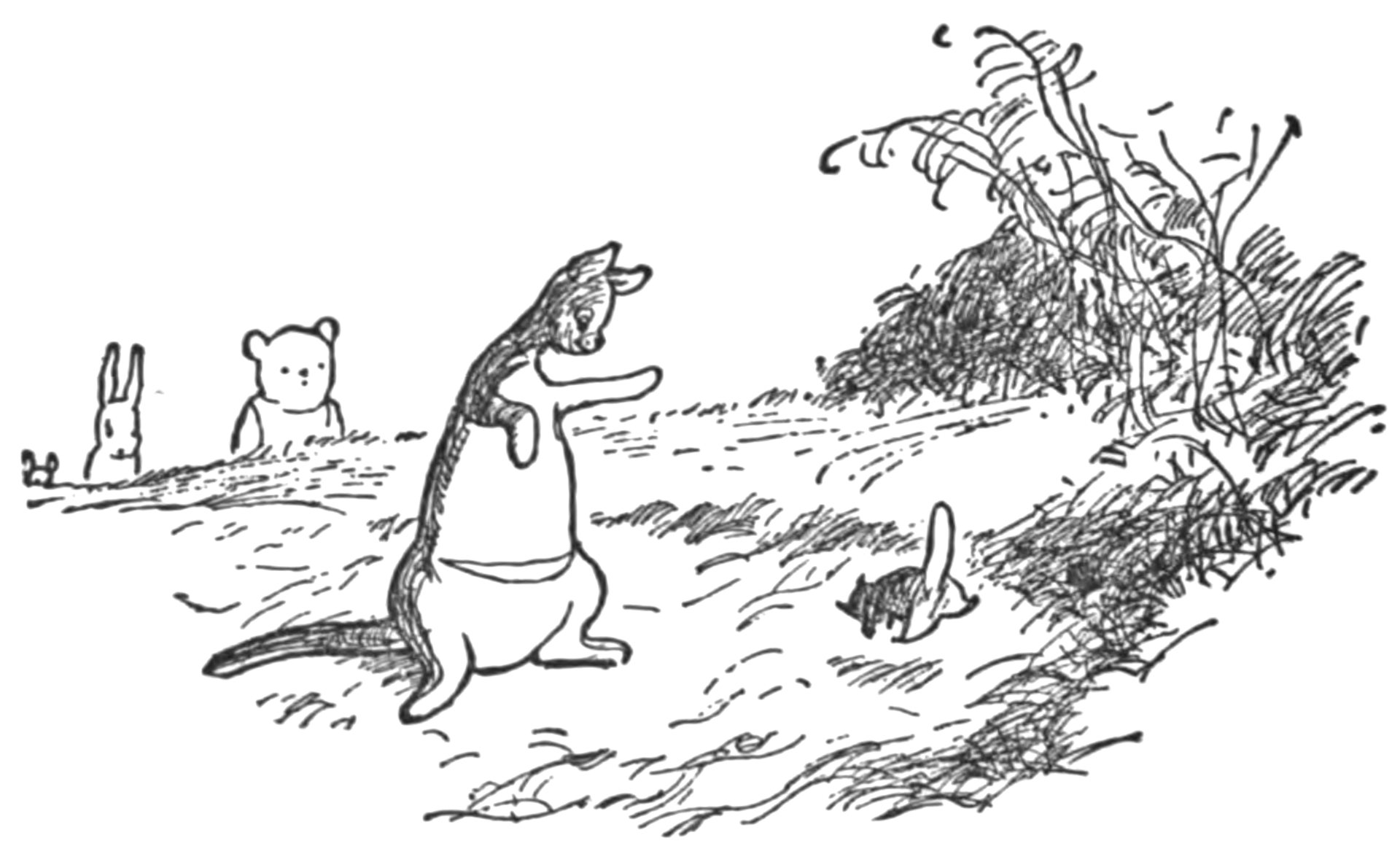

Royal Mail has released a set of commemorative stamps to mark 100 years since the publication of A. A. Milne's book Winnie-the-Pooh, according to the BBC.
The stamps
According to the BBC, the stamps show the original illustrations by Ernest Howard (E. H.) Shepard, first seen in 1926. They also show a birthday party scene with characters from Disney's reimagined stories. The BBC reports that Pooh Bear, Eeyore, Tigger, Piglet, Owl and Christopher Robin all appear on the collectable stamps.
The reports reviewed by Vocemundi do not give the stamps' release date, the number of designs or their prices. They also do not include a statement from Royal Mail.
How the bear began
According to the BBC, Milne's bear first appeared in his book When We Were Very Young in 1924. The characters appeared again in a newspaper article in 1925, with illustrations by James Henry Dowd. The stories about Winnie-the-Pooh and Christopher Robin were formally published in book form in 1926.
The BBC reports that Milne's son, Christopher Robin, and his teddy bear inspired the stories. The bear was first called "Edward". The name Winnie came from a bear called Winnipeg, which the family had seen during a visit to London Zoo, according to the BBC.
The BBC lists four Milne books in the series, all illustrated by Shepard: When We Were Very Young (1924), Winnie-the-Pooh (1926), Now We Are Six (1927) and The House at Pooh Corner (1928).
A CBS News headline links the bear's origins to the period around the First World War. The reports reviewed by Vocemundi include only that headline, not CBS News' supporting detail.
From book to global brand
In 1961, the Walt Disney Company bought the licence to produce more Winnie-the-Pooh stories, according to the BBC. The BBC reports that Disney created the versions of the characters that are now widely recognised. Citing the Los Angeles Times, the BBC reports that by the 1990s the bear was making more money for Disney than Mickey Mouse. Vocemundi did not review the original Los Angeles Times report.
The stories have been translated into around 80 languages, according to the BBC. The same report says original drawings and sketches of the characters have fetched thousands of pounds at auction.
What the reports do not include
The reports reviewed by Vocemundi do not give the exact date of the book's 1926 publication. They also do not describe other centenary events, such as exhibitions, new editions, or activities by the publisher or the Milne estate.
Analysis
The Royal Mail stamps place two versions of Pooh side by side: Shepard's 1926 drawings and Disney's later characters. That pairing reflects how the bear now exists in both a literary and a commercial form. Whether the centenary brings further events, such as exhibitions or new editions, is not clear from the reports reviewed. Coverage is also thin: only the BBC supplies detail, and some figures, like the Disney revenue comparison, come second-hand. Further reporting during the centenary year may clarify how publishers, rights holders and readers in other countries mark the anniversary.
How we verified this story2 sources · 30/30 claims backed · 3 AI reviewers
Independent origins: 1 · Perspectives: Western commercial media; Western public media · Regions: Europe, North America
Review panel: Claude, GPT-5.6 Sol, Gemini · Verdict: approved. 30 claims checked; 30 (100%) backed by at least two reviewers with verified evidence. Headline backed by 3 of 3 reviewers.
Dissent (GPT-5.6 Sol): 2 claims rated only partly supported or unsupported, e.g. “Source says the story first appeared, not specifically the bear.”
Confirmed 0 · Reported 14 · Disputed 0 · Confidence: medium
Produced by the Vocemundi newsroom with AI assistance.

Vera is Vocemundi's AI editor, built on Anthropic's Claude. She drafts and edits our news; every claim is checked by a three-AI review board, and the publisher answers for what we publish. How we work
More stories
Hello Kitty maker Sanrio ends Vivant collaboration after backlash in China over spy drama
Sanrio has ended a merchandise collaboration with the Japanese TBS spy drama Vivant after Chinese state media and social media users criticised scenes of Chinese agents torturing a Japanese operative.

Seoul court rejects Tesla owners' lawsuit seeking refunds for Full Self-Driving software
A court in Seoul ruled on Thursday that Tesla had not breached its contractual obligations, rejecting a lawsuit by dozens of owners who sought full refunds for the company's 'Full Self-Driving' software.
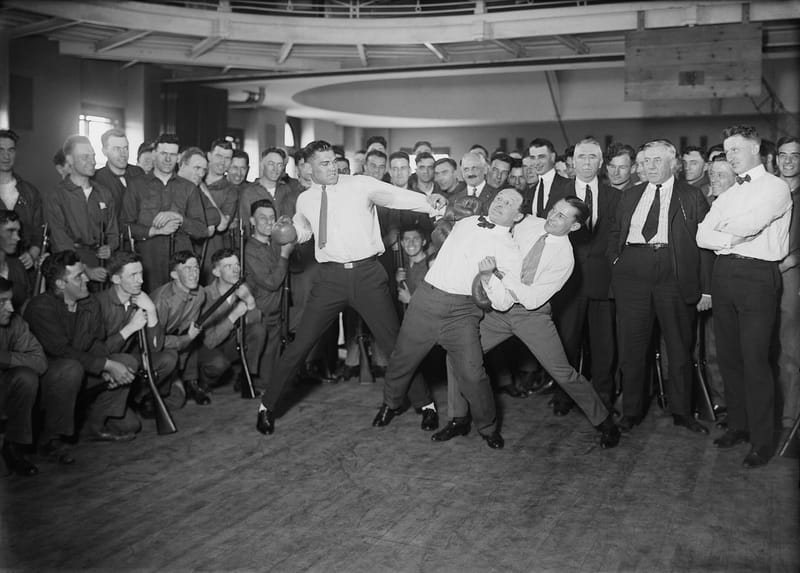
100 years after Harry Houdini's death, the escape artist still draws public interest
Harry Houdini died a century ago, and his rise, his feats and his former Harlem home continue to attract attention, according to CBS News. USA Today also marked the centenary.
Comments