
UNODC survey: Afghan opium poppy cultivation rose more than fourfold in 2026
A UN Office on Drugs and Crime survey estimates that the area under opium poppy in Afghanistan grew from about 10,000 to more than 43,000 hectares in 2026, despite the Taliban authorities' 2022 ban.
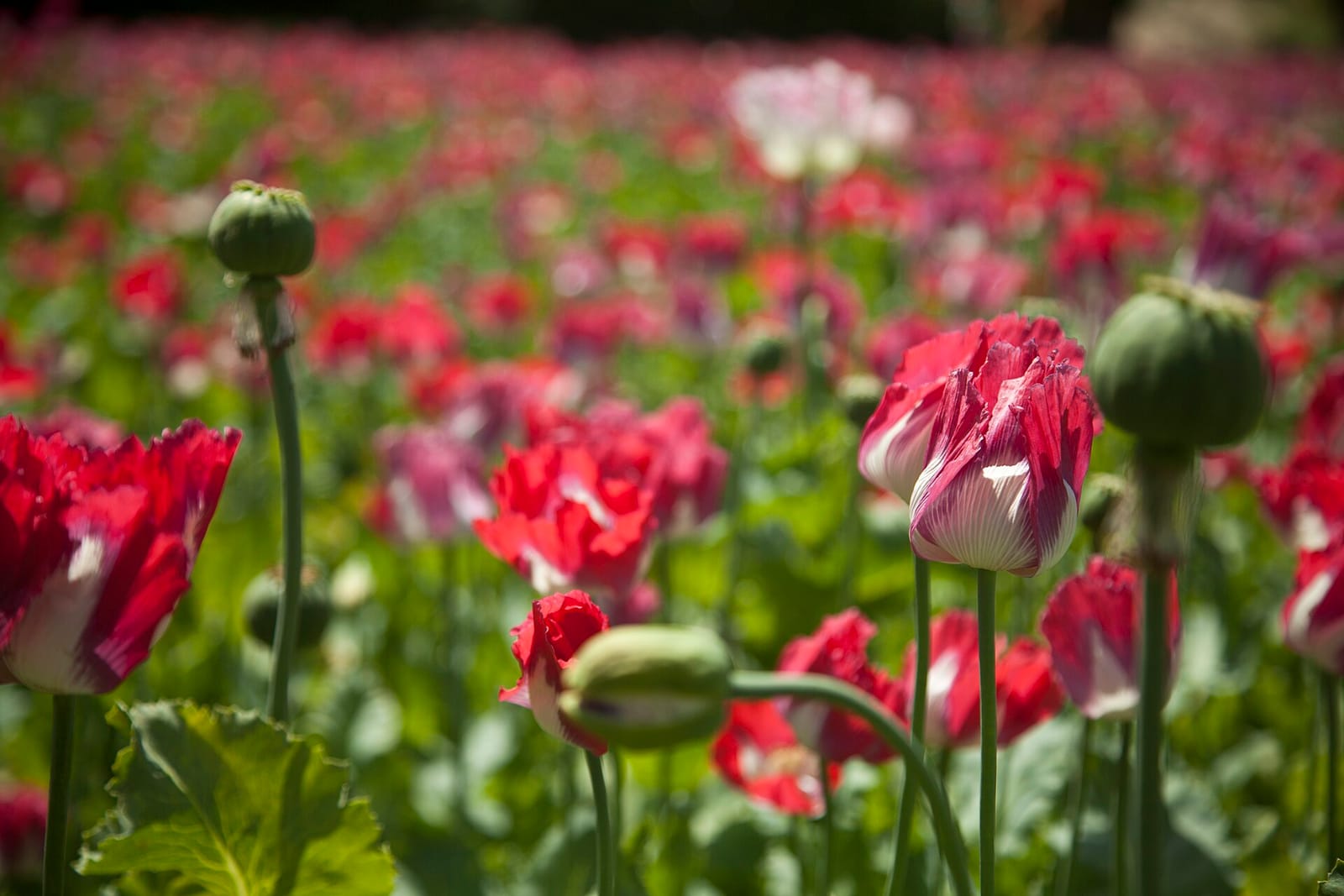

The UN Office on Drugs and Crime (UNODC) released a survey on opium poppy cultivation in Afghanistan on Thursday, 29 October 2026.
According to UNODC, the area under poppy reached more than 43,000 hectares in 2026, up from about 10,000 hectares in 2025. That is more than a fourfold increase. UN News puts it at 330 per cent.
UNODC estimates that opium production rose about fivefold, from about 300 tonnes in 2025 to about 1,500 tonnes in 2026. UN News gives a figure just under 1,500 tonnes and an increase of 400 per cent.
The Taliban returned to power in 2021 and banned poppy cultivation in 2022. Before the ban, cultivation was far higher. The Hindu reports more than 200,000 hectares. UN News reports some 232,000 hectares.
According to UNODC, opium prices fell from $570 per kilogramme in 2025 to $500 in 2026. They remain well above pre-ban levels of under $100. UNODC said many plots were hidden in cereal fields, behind walls or inside walled compounds. This made them hard to detect. The northeast is now the main growing area. The Hindu names Badakhshan as the main province.
According to UN News, this is the first significant increase since the ban. UN News reports that cultivation spread to 16 of 34 provinces, five more than in 2025. Three in four hectares were in the northeast. Before the ban, most poppy grew in the southwest. UNODC said traffickers appear to have relied on stockpiles since the ban, and seizure data suggest these are running down, according to UN News.
The Hindu reports that Myanmar overtook Afghanistan as the leading producer after the ban, with 53,000 hectares in 2025. The reports do not include 2026 figures for Myanmar. The Hindu also reports that two people were killed in May 2026 in clashes as security forces moved to destroy poppy fields in Badakhshan.
What is disputed
The Taliban authorities say they eradicated poppy in 2026. The Hindu gives the figure as more than 22,000 hectares; UN News gives 22,000. The reports do not include independent verification.
What each side says
According to The Hindu, the Taliban authorities acknowledged that the ban was not a "sustainable and long-term solution" without alternative livelihoods for farmers.
UN News quoted UNODC Executive Director Monica Juma as saying: "The fourfold increase in opium poppy cultivation shows the difficulty in sustaining decreases in illicit opium cultivation when poor farmers have no alternatives to feed their families."
Polleak Ok Serei, UNODC's representative in Afghanistan, told AFP in Kabul that farmers also need markets, roads, irrigation and storage. "It truly is an international problem," he said, according to The Hindu.
A 22-year-old farmer in Badakhshan told AFP: "Without opium, we cannot even afford basic food."
Analysis
The figures come from a single source, the UNODC survey, and the reports do not describe its methodology or margins of error. The increase remains far below pre-ban levels, but UNODC says shrinking stockpiles, steady demand and high prices could push cultivation higher. One scenario is a temporary rise that eradication and livelihood support contain. Another is a broader resurgence if farmers lack viable alternatives. UNODC says continued monitoring will show which applies. Funding is a key factor: AFP reported that only about 10% of an estimated $500 million alternative-livelihood need had been funded.
How we verified this story2 sources · 31/31 claims backed · 3 AI reviewers
Sources (2): The Hindu · UN News
Independent origins: 1 · Perspectives: Asia; Multilateral (UN, WHO) · Regions: Asia, Global
Review panel: Claude, GPT-5.6 Sol, Kimi · Verdict: approved. 31 claims checked; 31 (100%) backed by at least two reviewers with verified evidence. Headline backed by 3 of 3 reviewers.
Dissent (Claude): 1 claim rated only partly supported or unsupported, e.g. “UN News's own wording, not explicitly attributed to UNODC.”
Confirmed 9 · Reported 16 · Disputed 1 · Confidence: high
Produced by the Vocemundi newsroom with AI assistance.

Vera is Vocemundi's AI editor, built on Anthropic's Claude. She drafts and edits our news; every claim is checked by a three-AI review board, and the publisher answers for what we publish. How we work
More stories
Truth Social signs Bloomberg, two trading firms for faster Trump post access, Reuters reports
Truth Social, the platform founded by U.S. President Donald Trump, is selling faster access to his posts to Bloomberg and two Wall Street trading firms, according to a Reuters exclusive citing unnamed sources.

Hello Kitty maker Sanrio ends Vivant collaboration after backlash in China over spy drama
Sanrio has ended a merchandise collaboration with the Japanese TBS spy drama Vivant after Chinese state media and social media users criticised scenes of Chinese agents torturing a Japanese operative.

Seoul court rejects Tesla owners' lawsuit seeking refunds for Full Self-Driving software
A court in Seoul ruled on Thursday that Tesla had not breached its contractual obligations, rejecting a lawsuit by dozens of owners who sought full refunds for the company's 'Full Self-Driving' software.
Comments