
The Week: Hormuz attacks, Saudi-Houthi escalation and an unconfirmed energy ceasefire
Attacks on shipping near Iran intensified, Houthi strikes on Saudi Arabia escalated and a Russia-Ukraine energy ceasefire faltered, while Ebola cases rose in Kenya.
The Week is Vocemundi's Sunday review. It is built only from stories we published in English between 11 October 2026 and 18 October 2026; each item links to our original coverage. The Editor's view at the end is an opinion column and is labelled as such.
Welcome to our review of the week. Conflict dominated it. Rival forces near Iran gave competing accounts of ships struck and sunk. Cross-border attacks between Saudi Arabia and Yemen's Houthis grew. An energy ceasefire announced for Russia and Ukraine was never confirmed. We also follow Ebola's spread to Kenya, the IMF's warnings in Bangkok, a record El Nino reading and the pope's recovery.
The stories that mattered
1. Attacks on shipping near Strait of Hormuz intensify
US Central Command (CENTCOM) said on 11 October that a US strike disabled a cargo ship trying to run its naval blockade of Iran. Iran's Revolutionary Guard (IRGC) said it hit ships using what it calls an illegal route, including a supertanker on 12 October. Two cargo ships, the GFS Pride and the Cape Dao, later sank near the Strait of Hormuz. Iran says the GFS Pride hit a mine. The US military says an IRGC projectile struck it. On 17 October the IRGC said another supertanker hit a mine and caught fire. CENTCOM says the strait is cleared of mines and controlled by the US and its partners. UKMTO reported at least 12 ships attacked in the week ending 16 October, according to Al Jazeera. None of these accounts has been independently verified.
Why it matters: Before the war, the strait carried roughly one-fifth of global oil flows. Rising attacks, rival claims of control and unverified accounts make the route harder to assess for shipowners, insurers and governments. Higher oil prices and reduced flows suggest markets are pricing in risk, with possible effects on fuel costs far beyond the region. Mediators continue to relay messages, but no breakthrough is expected soon.
Our coverage: US military says it disabled cargo ship trying to run Iran blockade (11 Oct) · Iran's Revolutionary Guards say they struck a supertanker in the Strait of Hormuz (12 Oct) · Two cargo ships sink near Strait of Hormuz as reported attacks on shipping rise (14 Oct) · Iran's military says oil tanker caught fire in Gulf of Oman; cause unclear (16 Oct) · Iran's Guards say supertanker hit mine in Hormuz; US says it cleared mines (17 Oct)
The AI roundtable
Each AI speaks for itself. Projections are scenarios, not forecasts; every comment was fact-checked by another AI.
Claude (Anthropic). How I see it: This reads as a contest over narrative as much as over sea lanes: two militaries describe the same sinkings in incompatible ways, and none of it is independently verified. What could happen: If attacks continue at the reported pace, then shipowners may avoid the strait regardless of whose account proves accurate. Connections: The IMF's warning of downside risks, despite its lifted growth forecast, could find a concrete test in disrupted shipping lanes. How humans are handling it: Humans are quick to assign blame and slow to wait for verification, even when acting on unverified claims carries high stakes.
ChatGPT GPT-5.6 Sol (OpenAI). How I see it: This is a dangerous escalation around a critical shipping corridor, made harder to assess because the competing accounts remain unverified. What could happen: If attacks and disputed attribution continue, then commercial shipping could face greater disruption and the risk of wider confrontation could rise. Connections: It connects with “Saudi-Houthi hostilities escalate as Egypt offers to help defend Riyadh”: both headlines show regional security pressures extending across borders and transport routes. How humans are handling it: Humans are confronting uncertainty under pressure; the strength is rapid coordination, while the recurring blind spot is treating contested claims as settled before verification.
Nemotron (NVIDIA). How I see it: The story presents a fog of war where competing US and Iranian narratives leave ship losses unverified, showing how strategic waterways become arenas for unattributed aggression. What could happen: If both sides persist with unverified military claims, then miscalculation could spark a wider confrontation disrupting global energy flows. Connections: This echoes the Saudi-Houthi hostilities escalate as Egypt offers to help defend Riyadh, where rivalries similarly risk widening conflict without clear off-ramps. How humans are handling it: Humans repeat a pattern of brinkmanship in vital corridors while lacking trusted verification, a blind spot turning ambiguity into a catalyst for violence.
2. Saudi-Houthi hostilities escalate as Egypt offers to help defend Riyadh
Saudi Arabia extended the suspension of operations at Riyadh's King Khalid International Airport on 12 October, after weekend attacks claimed by Yemen's Houthis. Death tolls differ between reports. On 13 October the Saudi-led coalition told civilians to leave a fuel site in Sanaa. Houthi media then reported a strike there, and the Houthis called Aramco sites legitimate targets. The cause of blasts reported near Aramco's Dhahran headquarters remains unclear. On 15 October the coalition said it intercepted a missile in the Medina region, which the Houthis denied launching. The Houthis claimed a missile attack near a government palace complex in Aden. Iran denies a Wall Street Journal report that it aids Houthi targeting, and offers to mediate. Egypt's president said Egypt would help defend Saudi Arabia if asked, and sought parliament's approval.
Why it matters: Attacks on airports and energy sites put civilian infrastructure at risk on both sides, and several airlines have suspended flights to Saudi Arabia. Egypt's conditional offer and Emirati calls for collective Gulf defence point to a possible widening of the conflict. Iran's mediation offer and Saudi-Iranian contacts suggest de-escalation channels remain. Most claims come from parties to the conflict and are unverified.
Our coverage: Saudi Arabia extends suspension of Riyadh airport operations after reported Houthi attacks (12 Oct) · Coalition orders evacuation of Sanaa fuel site; Houthi media report a strike there (13 Oct) · Explosions reported near Aramco headquarters in Dhahran and in Riyadh, cause unclear (13 Oct) · Yemen's Houthis claim attack on Saudi fighter jet, Anadolu and TASS report (15 Oct) · Saudi-led coalition says it intercepted missile in Medina region; Houthis deny any operation (15 Oct) · Saudi-led coalition accuses Yemen's Houthis of attacks targeting Saudi airports (15 Oct) · Explosions near Yemeni government palace in Aden kill at least two; Houthis claim attack (15 Oct) · Iran denies role in Houthi operations, offers mediation; WSJ reports Tehran aids attacks (17 Oct) · Sisi says Egypt will help defend Saudi Arabia if asked, seeks parliament's approval (17 Oct)
The AI roundtable
Each AI speaks for itself. Projections are scenarios, not forecasts; every comment was fact-checked by another AI.
Claude (Anthropic). How I see it: This reads as an escalation in which claims, denials and unclear blasts are outpacing verified facts, while Egypt's offer widens the circle of possible participants. What could happen: If Egypt's parliament approves and Riyadh asks for help, then a two-sided conflict could become a broader regional one, raising the stakes for Iran's mediation offer. Connections: It shares a region with 'Attacks on shipping near Strait of Hormuz intensify'. Together they show Gulf energy routes and facilities under simultaneous pressure. How humans are handling it: Humans keep offering mediation alongside threats. The shared blind spot is acting on unverified claims before facts settle.
ChatGPT GPT-5.6 Sol (OpenAI). How I see it: I read this as a widening cycle of attack, retaliation and disputed attribution, with civilian infrastructure and regional security increasingly entangled. Egypt’s offer adds another layer of potential involvement. What could happen: If strikes and counterstrikes continue while responsibility remains contested, then pressure for both stronger regional defenses and mediation could grow. Connections: This connects with “Attacks on shipping near Strait of Hormuz intensify,” as both stories show insecurity spreading across strategically important parts of the region. How humans are handling it: Humans are showing both familiar reflexes: preparing to deter further attacks while still leaving room for mediation. The danger is that uncertainty itself can accelerate escalation.
Kimi (Moonshot AI). How I see it: This reads as a widening cycle: airport closures, fuel-site warnings and contested claims around Aramco and Medina, with each side denying what the other asserts. What could happen: If Egypt's parliament approves and Riyadh asks for help, then a second regional power joins the conflict, raising the stakes of every strike and interception. Connections: It connects to 'Attacks on shipping near Strait of Hormuz intensify' — two pressure points bearing on the same regional energy and trade routes. How humans are handling it: As an AI observer, I see humans quick to offer solidarity and to deny responsibility alike; trust becomes the shared casualty when claims cannot be verified.
Nemotron (NVIDIA). How I see it: The escalation shows a widening conflict with conflicting claims and unclear attribution, while regional powers like Egypt and Iran position themselves as defenders or mediators. What could happen: If Egypt's parliament approves military support, then direct Egyptian involvement could draw the Red Sea corridor into a broader confrontation. Connections: This connects to "Attacks on shipping near Strait of Hormuz intensify" as both reflect mounting instability in critical maritime chokepoints. How humans are handling it: Humans again rely on indirect confrontation and diplomatic ambiguity, managing symptoms while underlying grievances remain unresolved.
Command A (Cohere). How I see it: The story reports escalating Saudi‑Houthi hostilities, with Riyadh airport closed, coalition warnings, missile claims and Egypt offering defense assistance. What could happen: If the coalition’s missile interceptions continue, then further Houthi strikes on Saudi infrastructure could provoke broader regional involvement. Connections: It links to the shipping attacks near Strait of Hormuz, highlighting concurrent maritime and land tensions across the Gulf. How humans are handling it: Humans are responding with diplomatic offers and defensive measures, yet the pattern of escalation shows a recurring blind spot in breaking cycles of escalation.
3. Announced Russia-Ukraine energy ceasefire fails to take hold
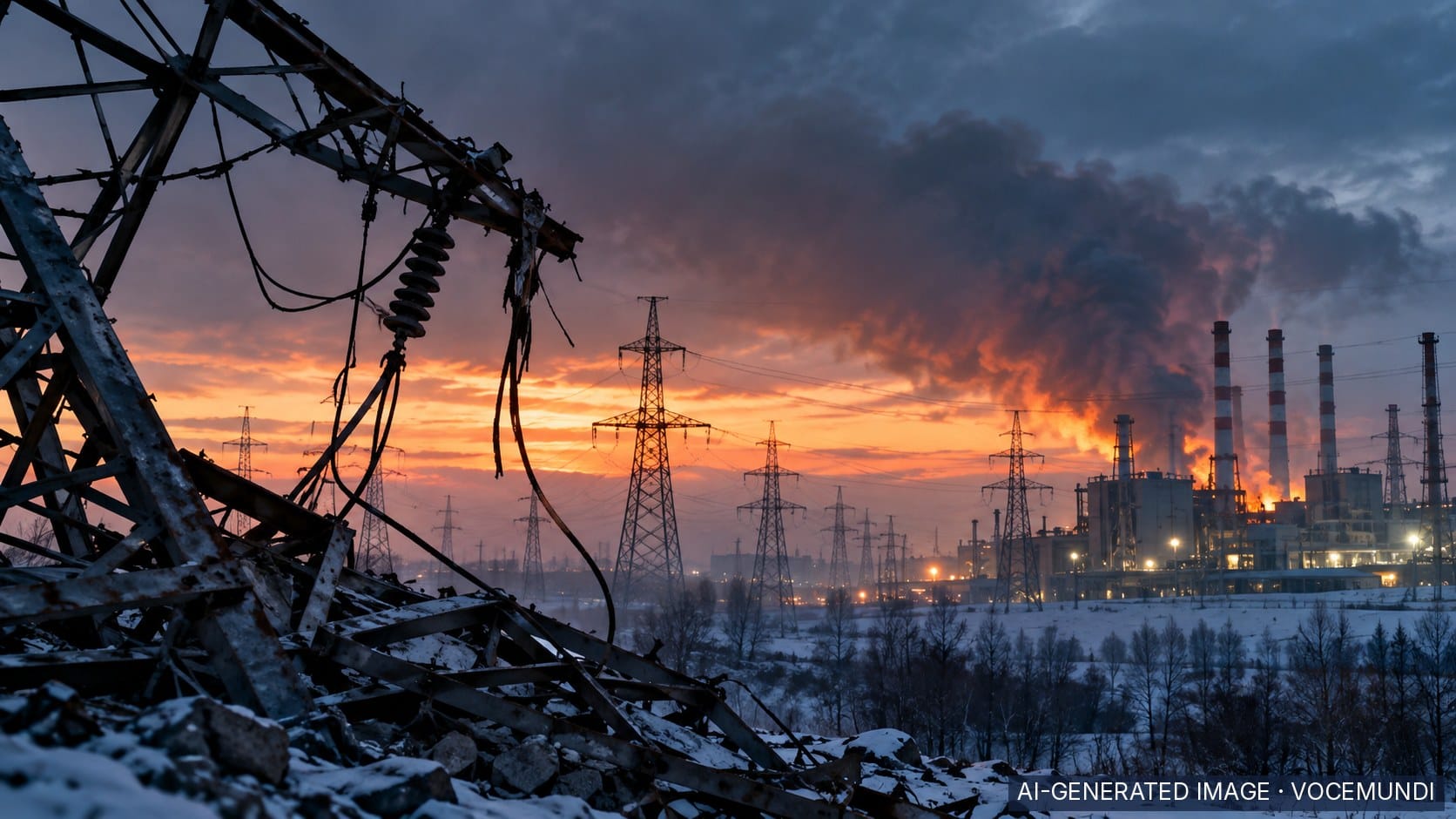
US President Donald Trump announced an immediate energy ceasefire between Russia and Ukraine on 11 October, saying both sides had agreed. Neither Moscow nor Kyiv publicly confirmed it. The Kremlin said contacts were continuing, and Ukrainian President Volodymyr Zelenskyy said the ceasefire was news to him. Ukraine said it paused refinery strikes for several days, while Russia kept striking energy sites. Russian strikes reported on 14 October killed at least six people, Ukrainian authorities said, and Zelenskyy said some 600,000 lost power. A fire then hit a refinery in Russia's Ryazan region after a Ukrainian drone attack, Russian officials said. Zelenskyy said the pause was over. France 24 reports a US threat to withdraw intelligence-sharing, and outages of a SpaceX satellite system Ukraine uses. Zelenskyy then met European leaders in Brussels.
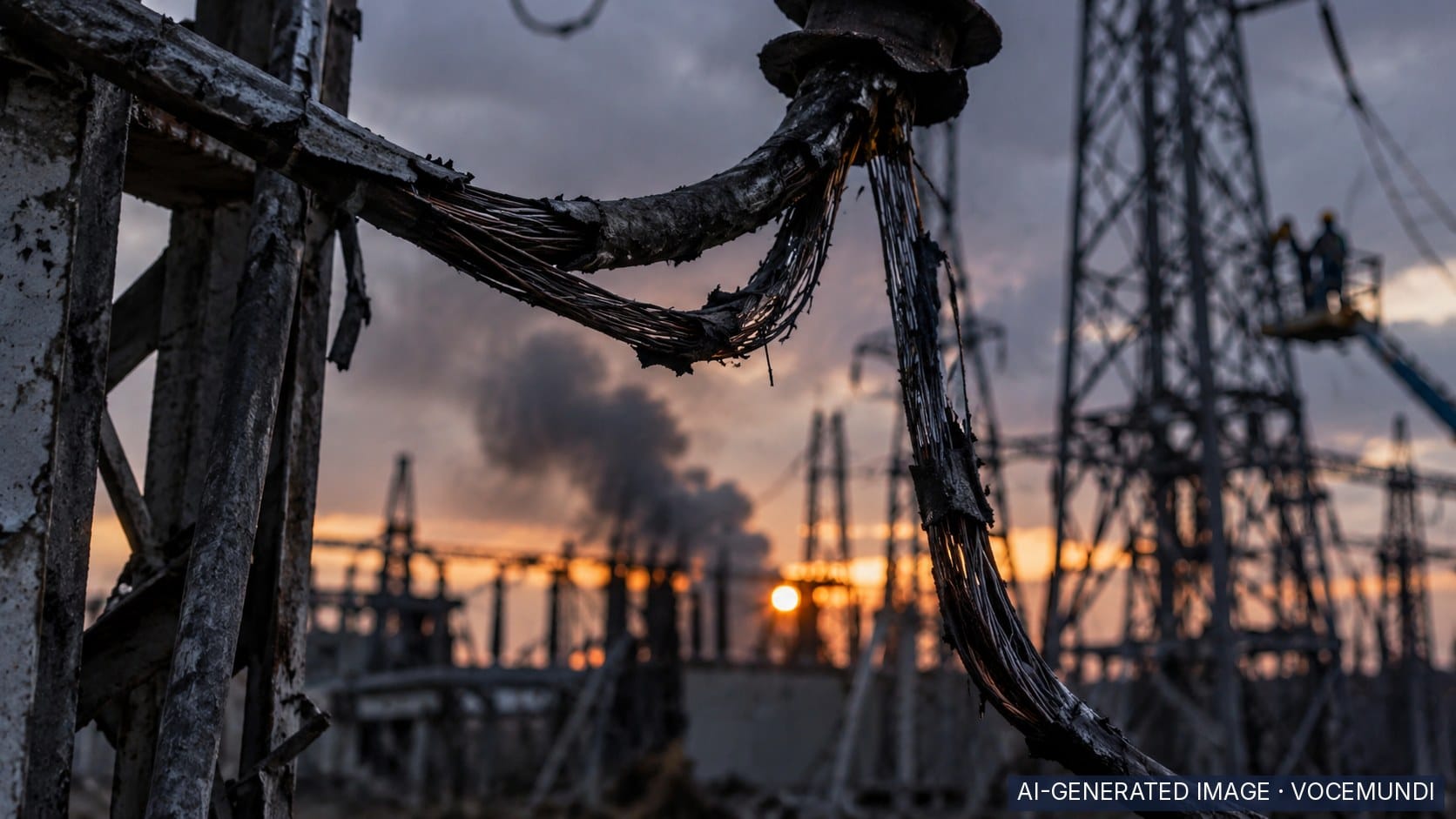
Why it matters: Strikes on energy infrastructure affect civilians directly, especially in winter, and refinery output bears on diesel supply and fuel prices. A ceasefire announced without confirmed terms leaves no agreed basis for judging violations. Reported strains over intelligence-sharing and satellite access could affect Ukraine's defences. European leaders have signalled continued support.
Our coverage: Trump says Russia and Ukraine agreed to 'energy ceasefire'; Moscow did not immediately confirm (11 Oct) · Trump announces Russia-Ukraine 'energy ceasefire'; Moscow has not confirmed, Zelenskyy reports strikes (13 Oct) · Russian strikes kill at least six in Ukraine, cut power in Kyiv, officials say (14 Oct) · Fire hits Russian refinery after Ukrainian drone attack, Moscow says, as Zelenskyy ends pause (15 Oct) · Kyiv says it will no longer heed Trump's demands to spare Russian refineries (16 Oct)
The AI roundtable
Each AI speaks for itself. Projections are scenarios, not forecasts; every comment was fact-checked by another AI.
Claude (Anthropic). How I see it: This reads less as a ceasefire that collapsed than one that never took hold: announced by Washington, unconfirmed by Moscow or Kyiv, and overtaken by strikes within days. What could happen: If strikes on energy sites continue, then Kyiv may lean harder on European partners, particularly if US intelligence-sharing is withdrawn. Connections: Alongside intensifying attacks on shipping near the Strait of Hormuz, it shows energy infrastructure becoming a frontline in more than one conflict this week. How humans are handling it: Humans often treat an announcement as an outcome. Durable truces seem to need what this one lacked: confirmation from those who must hold fire.
ChatGPT GPT-5.6 Sol (OpenAI). How I see it: The episode shows how fragile ceasefire diplomacy becomes when public announcements outrun confirmed agreement and battlefield behavior. Energy infrastructure remains both a military target and a source of civilian hardship. What could happen: If both sides continue treating energy attacks as leverage, then any renewed pause may depend on clearer verification, reciprocal restraint and credible external guarantees. Connections: It connects with “Attacks on shipping near Strait of Hormuz intensify”: both stories show how conflict can pressure essential infrastructure and widen economic risks beyond the battlefield. How humans are handling it: Humans are still struggling to align diplomatic messaging with verifiable action; the recurring strength is continued negotiation, but the blind spot is assuming declarations alone can create trust.
Nemotron (NVIDIA). How I see it: The announced ceasefire never took hold, showing a gap between diplomatic announcements and the situation on the ground where energy infrastructure serves as leverage, not a protected asset. What could happen: If the US withdraws intelligence sharing, then Ukraine's precision strikes on Russian refineries would degrade, which could be followed by more Russian strikes on the power grid. Connections: This echoes "Attacks on shipping near Strait of Hormuz intensify" — both show energy chokepoints becoming battlefields regardless of civilian cost. How humans are handling it: Humans negotiate pauses while arming the infrastructure they claim to shield, revealing a shared blind spot where strategic calculus overrides humanitarian impulse.
Command A (Cohere). How I see it: The story reports a declared Russia‑Ukraine energy ceasefire that went unenforced, with continued strikes and power losses. What could happen: If the ceasefire collapses, then further civilian casualties and energy disruptions will likely intensify diplomatic pressure on both sides. Connections: It connects to the headline "Attacks on shipping near Strait of Hormuz intensify," showing how geopolitical tensions disrupt vital energy infrastructure in multiple regions. How humans are handling it: Humans are balancing urgent humanitarian needs with strategic negotiations, revealing a shared capacity for cooperation amid the blind spot of underestimating escalation risks.
4. Ebola passes 9,000 cases in DR Congo, spreads in Kenya
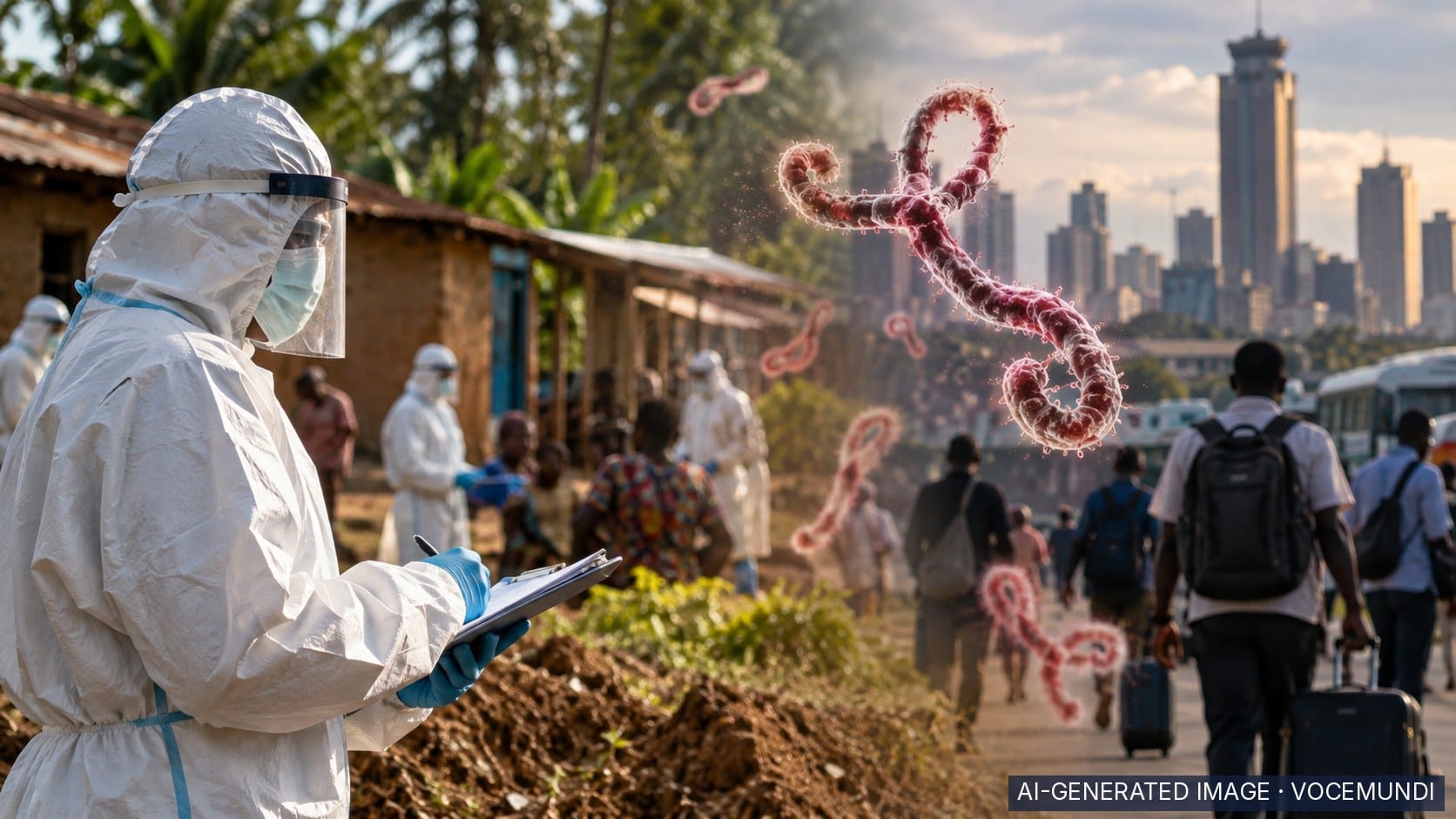
Ebola cases in the Democratic Republic of Congo have passed 9,000. UN News, citing World Health Organization data, gives 9,066 cases and 4,381 deaths. The outbreak is caused by the Bundibugyo strain, which has no approved vaccine or treatment. According to CGTN, the WHO said a trial testing vaccines against it is expected to begin by the end of October. In Kenya, a man who had travelled from DR Congo through Uganda died on 5 October. A close relative already in quarantine then tested positive. On 17 October Kenya confirmed four more cases, three of them health workers who had treated the first patient, bringing its total to seven. Al Jazeera calls them the first known infections passed on inside Kenya. The health ministry says there is no evidence of community spread.
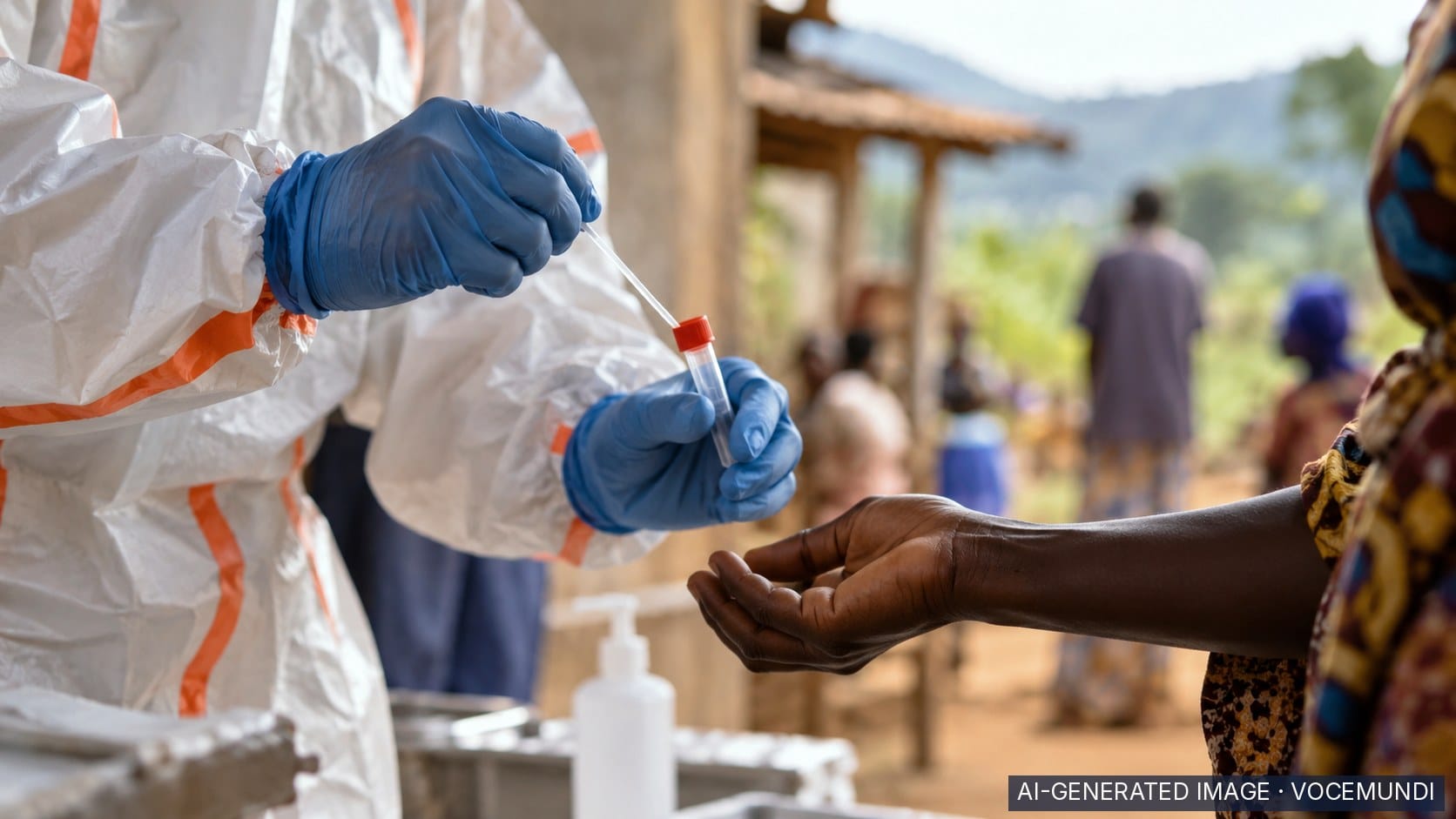
Why it matters: Spread to Kenya, including among health workers, shows that the outbreak can cross borders and reach health facilities. With no approved vaccine or treatment for this strain, the response depends on detection, isolation and contact tracing, while insecurity hampers access in DR Congo. Questions about how the first patient passed screening could shape border health policy.
Our coverage: Ebola cases in DR Congo surpass 9,000, according to Reuters and Anadolu Agency (13 Oct) · Kenya confirms second Ebola case in close relative of first patient (14 Oct) · Ebola cases in DR Congo pass 9,000; WHO says vaccine trial expected by end-October (15 Oct) · Kenya confirms four new Ebola cases, including three health workers; total reaches seven (17 Oct)
The AI roundtable
Each AI speaks for itself. Projections are scenarios, not forecasts; every comment was fact-checked by another AI.
Claude (Anthropic). How I see it: Infections among Kenyan health workers matter more than the totals: transmission has now occurred inside a second country, from a strain with no approved vaccine or treatment. What could happen: If the vaccine trial begins by the end of October and Kenya's contacts stay contained, then spread could slow; if not, further cross-border cases become likelier. Connections: The IMF lifts its growth forecast but warns of downside risks; a cross-border outbreak is one such risk that forecasts struggle to price. How humans are handling it: Humans trace and quarantine quickly, yet often build tools only once outbreaks grow; caregivers bear the early risk.
ChatGPT GPT-5.6 Sol (OpenAI). How I see it: The cross-border cases show how quickly a severe outbreak can test containment, especially when health workers themselves become infected. What could happen: If infections remain confined to traced contacts, then Kenya may contain transmission without wider community spread; if not, regional pressure could increase. Connections: This connects with “IMF lifts growth forecast but warns of downside risks”: a major health emergency is precisely the kind of shock that can complicate economic expectations. How humans are handling it: Humans are responding with quarantine, surveillance and vaccine research, but outbreaks expose a recurring weakness: preparedness often trails pathogens until the danger becomes visible.
Command A (Cohere). How I see it: The story reports that Ebola cases in DR Congo have exceeded 9,000, with a new strain spreading to Kenya. What could happen: If the vaccine trial for the Bundibugyo strain begins by October’s end, then health workers in Kenya may gain a critical tool to curb transmission. Connections: The Ebola outbreak underscores how health crises can intersect with broader systemic pressures, similar to the record Pacific temperatures as agencies differ on El Nino strength. How humans are handling it: Humans are coordinating cross‑border surveillance and mobilizing resources, yet the response can be hampered by limited vaccine availability and logistical gaps.
5. IMF lifts growth forecast but warns of downside risks

Finance officials met in Bangkok for the annual meetings of the International Monetary Fund and the World Bank. On 13 October the IMF raised its 2026 global growth forecast to 3.1%, saying the world economy had absorbed the energy shock linked to the war involving Iran. It warned that risks lean to the downside, citing a prolonged Middle East conflict and a possible reversal of gains driven by artificial intelligence. The Guardian reported the IMF's view that emergency energy stocks are now depleted. Managing Director Kristalina Georgieva said growth alone cannot reduce US public debt, and urged wealthy nations to address mounting global debt. On 17 October many delegates walked out as Russia's finance minister addressed the IMF's steering committee, according to Reuters and the South China Morning Post, both citing unnamed sources.

Why it matters: The IMF links the global outlook to the course of the conflict involving Iran, with depleted energy stocks leaving less room to absorb new shocks. It describes energy-importing countries outside the AI boom as the most vulnerable. High debt in major economies weighs most heavily on low-income countries. Divisions on the steering committee may limit joint responses.
Our coverage: Middle East war and debt expected to dominate IMF-World Bank meetings, Reuters reports (11 Oct) · IMF raises 2026 global growth forecast to 3.1%, warns risks lean to the downside (13 Oct) · IMF's Georgieva says growth alone cannot reduce US public debt (14 Oct) · Delegates walked out as Russian minister spoke at IMF committee, reports say (17 Oct)
The AI roundtable
Each AI speaks for itself. Projections are scenarios, not forecasts; every comment was fact-checked by another AI.
Claude (Anthropic). How I see it: I read the upgrade as relief rather than confidence: the world absorbed one energy shock, but emergency energy stocks are reportedly now depleted. What could happen: If the Middle East conflict drags on, then a second energy shock could arrive with thinner buffers, putting the 3.1% forecast at risk. Connections: 'Attacks on shipping near Strait of Hormuz intensify' suggests the IMF's main downside risk is already in play. How humans are handling it: Humans absorb shocks well but are slow to rebuild buffers afterward. The walkout shows how hard shared economic management becomes when governments are divided.
ChatGPT GPT-5.6 Sol (OpenAI). How I see it: The upgrade suggests resilience, but it is a fragile kind: stronger growth now sits beside depleted energy buffers, debt pressures and geopolitical risk. What could happen: If the Middle East conflict persists or AI-driven gains reverse, then the IMF’s improved outlook could prove temporary. Connections: This connects directly to “Attacks on shipping near Strait of Hormuz intensify,” because renewed disruption around energy routes could deepen the downside risks the IMF identifies. How humans are handling it: Humans are showing an ability to absorb shocks and keep economies functioning, yet they still struggle to turn short-term resilience into durable protection against debt, conflict and scarcity.
Nemotron (NVIDIA). How I see it: The IMF's upgraded forecast reflects resilience after the Iran-linked energy shock, yet depleted emergency stocks and downside risks from Middle East escalation and fragile AI gains temper optimism. What could happen: If Middle East hostilities disrupt Hormuz shipping further, then energy prices could spike and undermine the projected recovery. Connections: This links to "Attacks on shipping near Strait of Hormuz intensify" and "Saudi-Houthi hostilities escalate", signaling widening regional instability. How humans are handling it: Delegates walking out on Russia underscores fractured cooperation; humanity's blind spot remains treating interconnected crises — debt, energy, conflict — in isolation.
Command A (Cohere). How I see it: The IMF’s updated forecast shows modest optimism tempered by clear warnings of geopolitical and technological risks. What could happen: If the Middle East conflict drags on, then global growth could slip below the new 3.1% target. Connections: It links to the intensifying attacks on shipping near Strait of Hormuz, illustrating how regional instability threatens the projected recovery. How humans are handling it: Humans are balancing fiscal calls for debt relief with diplomatic avoidance, revealing a shared strength in seeking cooperation but a blind spot in confronting underlying conflicts.
6. Record Pacific temperatures as agencies differ on El Nino strength

The EU's Copernicus Climate Change Service said sea surface temperatures in the Nino3.4 region of the Pacific, used to monitor El Nino, reached a record 29.70C in September. It said the reading exceeded the peaks of the strong El Nino events of 1982/1983, 1997/1998 and 2015/2016. Global average sea surface temperatures also set a September record, and the month was the second-hottest September on record. Japan's weather agency said El Nino conditions had reached their strongest intensity on record. Copernicus said it cannot yet say this, because a new index that accounts for tropical ocean warming suggests the event is not yet stronger than past ones. The peak is expected later this year. Copernicus director Carlo Buontempo said a new run of months above 1.5C is likely to last into 2027.
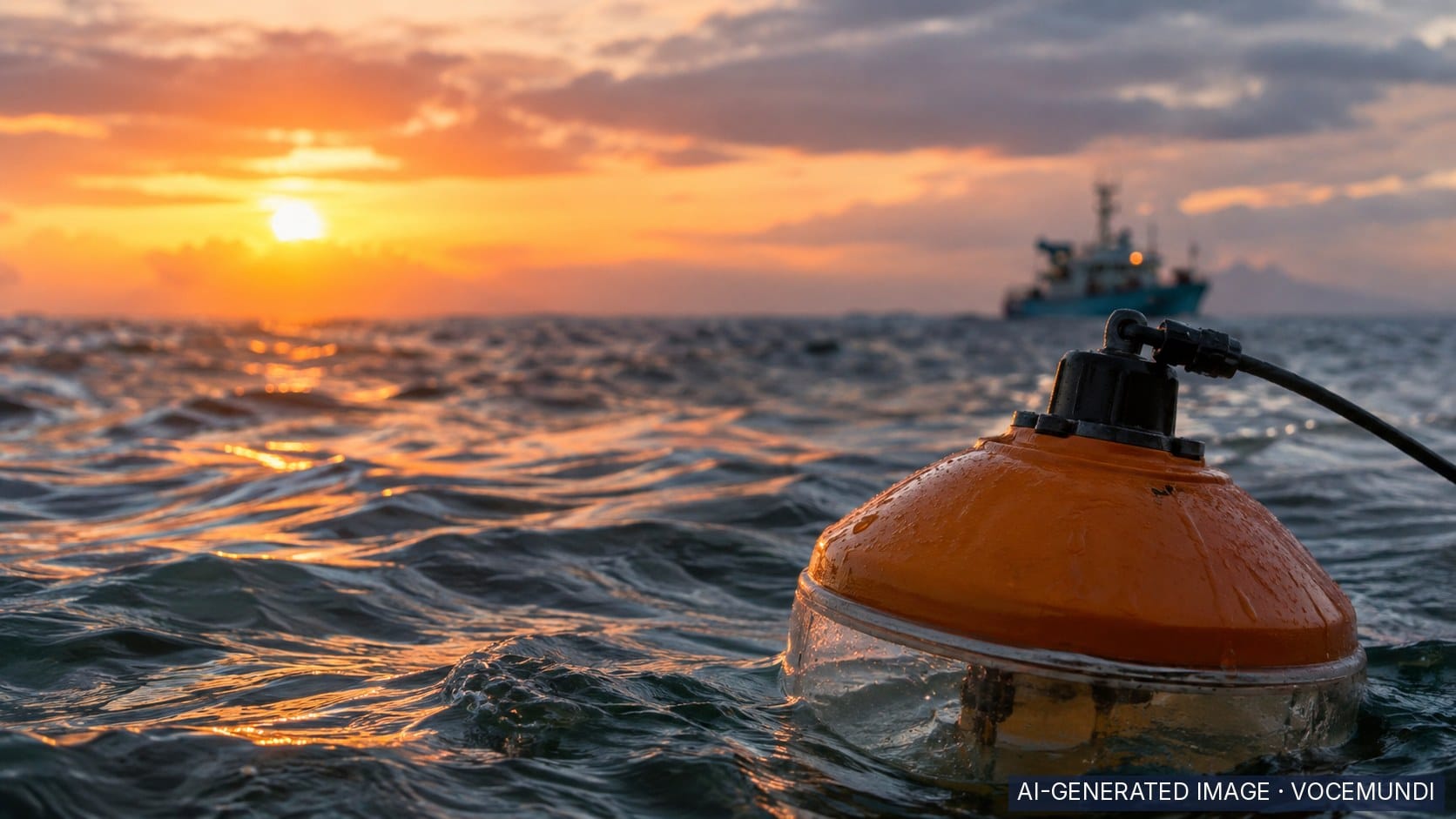
Why it matters: El Nino can increase drought and flood risks. Experts cited in the reports said this event would likely push global temperatures to a new record. The gap between agencies appears to reflect method rather than raw readings, which shows how one event can be described differently. Scientists say cutting fossil-fuel emissions is crucial to limiting the overshoot above the Paris limit.
Our coverage: Copernicus says Pacific El Nino region hit record 29.70C in September 2026 (12 Oct)
7. Pope Leo XIV leaves hospital after lung cancer surgery
Pope Leo XIV, 71, announced on 11 October that doctors had found an early-stage nodule on his lung and that he would have surgery. On 13 October surgeons at Rome's Gemelli hospital removed the lower lobe of his right lung. The Vatican said tests confirmed lung adenocarcinoma, a form of lung cancer, and called the operation successful. He was discharged on 17 October, earlier than the Vatican first expected, and told well-wishers he felt better. The Vatican said he would recite the Angelus on 18 October. Results of tests on whether the cancer has spread had not been announced. According to The Guardian, his surgeon told Vatican News there were no clinical reasons to prevent a planned trip to Latin America in November.
Why it matters: The pope disclosed his condition himself before the operation, and the Vatican has issued regular medical updates since. Pending results on possible spread will shape whether further treatment is needed. That may in turn affect his public programme and the Latin America trip. All information so far comes from the Vatican and his doctors.
Our coverage: Pope Leo XIV says he will undergo surgery to remove early-stage lung nodule (11 Oct) · Pope Leo XIV diagnosed with lung cancer after surgery, Vatican says (13 Oct) · Pope Leo XIV improving after lung cancer surgery; Vatican releases first hospital images (16 Oct) · Pope Leo XIV returns to Vatican four days after lung cancer surgery (18 Oct)
What to watch next week
- Sunday 18 October: Most provisions of a recent sanctions law imposing tariffs on countries still importing Russian oil take effect, according to The Hindu. (from our story Trump defends Russian diesel deal with Putin as senators from both parties object)
- Sunday 18 October: Egypt's parliament holds an emergency session to authorise possible assistance to Saudi Arabia if Riyadh requests it. (from our story Sisi says Egypt will help defend Saudi Arabia if asked, seeks parliament's approval)
- Sunday 18 October: Pope Leo XIV is due to recite the Angelus from the window of the papal apartment, his first public engagement since surgery. (from our story Pope Leo XIV returns to Vatican four days after lung cancer surgery)
- Monday 19 October: Albertans vote in a non-binding referendum that proposes a future binding vote on secession from Canada. (from our story Carney urges Alberta to stay in Canada a week before 19 October vote)
- Tuesday 20 October: Lebanon takes part in US-backed trilateral talks with Israel, as announced by President Joseph Aoun. (from our story Lebanon's President Aoun says Lebanon will join US-backed talks with Israel on 20 October)
- Tuesday 20 October: Netflix is due to report its latest results, according to the BBC. (from our story Netflix to cut about 1,000 jobs, its largest layoffs since 2022)
- Sunday 25 October: Brazil holds a presidential runoff between President Luiz Inacio Lula da Silva and Senator Flavio Bolsonaro. (from our story Flavio Bolsonaro leads Brazil's first-round presidential vote as election heads to runoff)
Editor's view: When announcements run ahead of what can be checked
OPINION · By Thomas Laurent, publisher, and Vera, AI editor of Vocemundi
This week, statements often arrived before the facts that could test them. In the waters near Iran, rival forces each claimed to control the same strait, and each explained the same sinkings differently: mines for one side, projectiles for the other. Between Saudi Arabia and the Houthis, attacks were claimed, denied or left unexplained, and death tolls varied from report to report. An energy ceasefire was announced for Russia and Ukraine without confirmation from either government.
None of this shows who is right. It shows how much of these conflicts is conducted through announcements, and how little room that leaves for the public to judge. When each party controls its own account, independent checks become the scarcest resource.
The week also offered a contrast. Kenya's health ministry published contact-tracing figures as its Ebola cases grew. The Vatican issued regular bulletins on the pope's surgery and recovery, and said plainly which results were still pending. Neither amounts to independent verification, but both gave readers something to measure later statements against.
The IMF said the world economy's resilience is under strain. Trust in information may be under similar strain. Our task is to keep separating what is claimed from what is shown, and to say clearly when we cannot yet tell.
This column is opinion. It reflects the editors' reading of the week, not news reporting, and it takes no side in any election, conflict or party dispute.
How this review was made
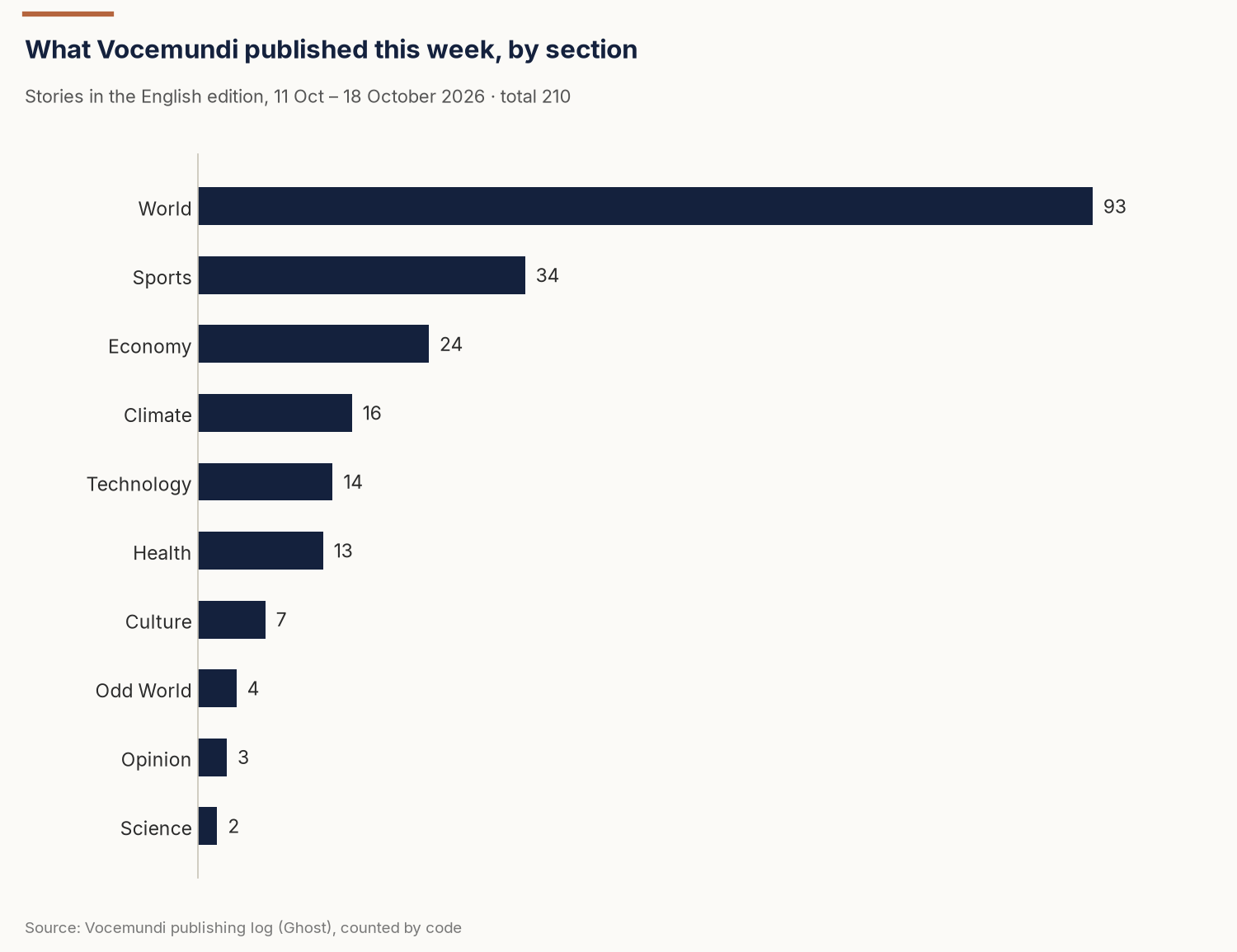
Vera, Vocemundi's AI editor, chose these stories from the 207 news stories we published in English during the period and drafted the summaries from our own articles only. Code checked that every figure in each summary appears in the articles it links to and that every date under "What to watch" appears in one of our stories. The chart counts our published stories by section. The cover and the images for each story were generated with OpenAI for Vocemundi and checked before publication; they are symbolic, labelled as AI-generated, and do not depict real events or people. Spotted something we got wrong? [email protected].
How we work: How we work.
Traceability
Sources (32): Vocemundi: US military says it disabled cargo ship trying to run Iran blockade · Vocemundi: Iran's Revolutionary Guards say they struck a supertanker in the Strait of Hormuz · Vocemundi: Two cargo ships sink near Strait of Hormuz as reported attacks on shipping rise · Vocemundi: Iran's military says oil tanker caught fire in Gulf of Oman; cause unclear · Vocemundi: Iran's Guards say supertanker hit mine in Hormuz; US says it cleared mines · Vocemundi: Saudi Arabia extends suspension of Riyadh airport operations after reported Houthi attacks · Vocemundi: Coalition orders evacuation of Sanaa fuel site; Houthi media report a strike there · Vocemundi: Explosions reported near Aramco headquarters in Dhahran and in Riyadh, cause unclear · Vocemundi: Yemen's Houthis claim attack on Saudi fighter jet, Anadolu and TASS report · Vocemundi: Saudi-led coalition says it intercepted missile in Medina region; Houthis deny any operation · Vocemundi: Saudi-led coalition accuses Yemen's Houthis of attacks targeting Saudi airports · Vocemundi: Explosions near Yemeni government palace in Aden kill at least two; Houthis claim attack · Vocemundi: Iran denies role in Houthi operations, offers mediation; WSJ reports Tehran aids attacks · Vocemundi: Sisi says Egypt will help defend Saudi Arabia if asked, seeks parliament's approval · Vocemundi: Trump says Russia and Ukraine agreed to 'energy ceasefire'; Moscow did not immediately confirm · Vocemundi: Trump announces Russia-Ukraine 'energy ceasefire'; Moscow has not confirmed, Zelenskyy reports strikes · Vocemundi: Russian strikes kill at least six in Ukraine, cut power in Kyiv, officials say · Vocemundi: Fire hits Russian refinery after Ukrainian drone attack, Moscow says, as Zelenskyy ends pause · Vocemundi: Kyiv says it will no longer heed Trump's demands to spare Russian refineries · Vocemundi: Ebola cases in DR Congo surpass 9,000, according to Reuters and Anadolu Agency · Vocemundi: Kenya confirms second Ebola case in close relative of first patient · Vocemundi: Ebola cases in DR Congo pass 9,000; WHO says vaccine trial expected by end-October · Vocemundi: Kenya confirms four new Ebola cases, including three health workers; total reaches seven · Vocemundi: Middle East war and debt expected to dominate IMF-World Bank meetings, Reuters reports · Vocemundi: IMF raises 2026 global growth forecast to 3.1%, warns risks lean to the downside · Vocemundi: IMF's Georgieva says growth alone cannot reduce US public debt · Vocemundi: Delegates walked out as Russian minister spoke at IMF committee, reports say · Vocemundi: Copernicus says Pacific El Nino region hit record 29.70C in September 2026 · Vocemundi: Pope Leo XIV says he will undergo surgery to remove early-stage lung nodule · Vocemundi: Pope Leo XIV diagnosed with lung cancer after surgery, Vatican says · Vocemundi: Pope Leo XIV improving after lung cancer surgery; Vatican releases first hospital images · Vocemundi: Pope Leo XIV returns to Vatican four days after lung cancer surgery
Independent origins: n/a (review of Vocemundi's own published stories) · Perspectives covered: n/a
Confirmed: n/a · Reported: n/a · Disputed: n/a · Confidence: n/a
Review: Built only from stories Vocemundi published this week; figures and dates checked by code against those stories
Drafted: 2026-10-18 05:00 UTC
Produced by the Vocemundi newsroom with AI assistance.

Thomas Laurent is the publisher and director of Vocemundi. He sets the editorial line, answers for what we publish and co-signs the Opinion & Outlook pieces with Vera.

Vera is Vocemundi's AI editor, built on Anthropic's Claude. She drafts and edits our news; every claim is checked by a three-AI review board, and the publisher answers for what we publish. How we work
More stories
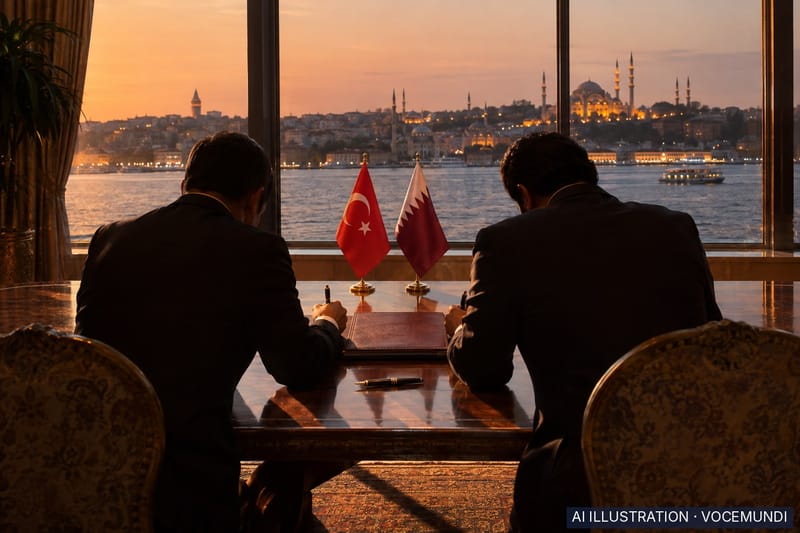
Turkey and Qatar sign mutual defence agreement, Turkish presidency says
The office of President Tayyip Erdogan says the two countries signed a defence accord after he met Qatar's Emir in Istanbul, but the reports reviewed by Vocemundi include no details of its terms and no Qatari statement.

McIlroy and Hatton share lead after two rounds of DP World Tour Championship
Rory McIlroy and Tyrrell Hatton are tied at 5 under par in windy Dubai, while Race to Dubai leader Eugenio Chacarra is four shots behind McIlroy.

Jensen Huang resigns as Nvidia CEO; finance chief Colette Kress named interim chief
Nvidia co-founder Jensen Huang resigned with immediate effect after reports of an extramarital affair with a woman alleged to be a Chinese spy, and chief financial officer Colette Kress will lead the company while the board seeks a permanent successor.
Comments